Wild Cats World is a big cat sanctuary in South Africa which i visited 2020/2021. The sanctuary focused on big cats like leopards and cheetahs and medium sized cats like caracals and servals. I helped them for 3 months to prepare the food on a daily base, check for the mental and physical health of the animals. I was also part of the relocation of different kind of big cats. The working days started with the sunset around 05:30 AM and ended the evening. We took care of each animal in certain ways: preparation of food, general checkup on their behavior, cleaning their habitats, feeding, enrichments. Especially the preparation of food was proportionally much work. We had different kind of meat which had to be prepared in right sizes for each animal. The animals got moved from the first sanctuary to another location due a much better environment and it was very interesting to be part of this movement. All animals arrived healthy after a 800km ride through South Africa. Some of them needed a few days to adapt to the new sanctuary but they did all a great job in that.
India
In 2016, I embarked on a transformative three-month volunteering journey in India, where my primary focus was supporting various organizations, notably the renowned “Sadhana Forest.” This organization specializes in sustainable building practices and impactful reforestation initiatives aimed at restoring habitats for a diverse range of wildlife. India’s unparalleled wildlife captivated me, boasting an extraordinary biodiversity that encompasses numerous snake species, vibrant birdlife, and the awe-inspiring presence of leopards and tigers. My immersion in these ecosystems provided a firsthand understanding of the delicate balance between nature and human activities. Fueled by the profound experiences of my previous trip, I am eagerly anticipating a return to northern India in 2023. This upcoming expedition will be dedicated to capturing the mesmerizing beauty of tigers in the expansive jungles of the region. The prospect of contributing to tiger conservation adds an exciting dimension to my journey. Preparations for this adventure are underway, and I am grateful for the opportunity to actively participate in preserving India’s rich biodiversity. Join me on this exciting journey as we strive for a sustainable future, ensuring the protection of the country’s unique and precious wildlife.
Alpine Ecosystems
The goal of our trip was to analyse and rate different kind of alpine ecosystems. This project was setup by TH-Bingen an university of applied science where i studied environmental protection / engineering. We mapped different aerials and analysed the flora and fauna and also the soil. We found and defined a huge variety of animals like, snakes, birds of prey, dragonflies which are fundamental for a healthy ecosystem. Especially marsh aerials are very rare due the very long time they need to until they have and we hiked a lot in these areas to increase our practical knowledge. The trip was lead by Prof. Dr. Michael Rademacher who is an expert in limnology, ecology and zoology. These ecosystems show a huge variety there which is caused by the different kind of altitudes the closer it gets to the alps, marsh aerials, lakes, rivers, and forests.
Slovenia
Eastern Europe has so much to explore and my goal for 2023 was to photograph and film the beautiful wilderness of Slovenia. On my 3 months trip in eastern europe I worked most of the time deep in the forests of Slovenia. After days of waiting I managed to capture not only one mother bear but also 3 of her cubs. Slovenia is not only inspiring for its wildlife but also for the way wild predators can live in coexistence with humans. After I spent in 2023 several months in the wilderness there I will extand this project in 2024 to capture more bears and also a variety of birds of prey.
Yachana Foundation
Yachana Foundation is a NGO from Ecuador in the middle of the rainforest. They have specialized themselves on nature conservation and eco tourism. Douglas McKeen the founder and his Manager Alfonso doing there really important work in environemntal eduacation on social media where they have more than 800.000 Followers and buying huge areas of land and protecting it against mass deforestation. Especially deforestation is the worst what can happen in such areas with a biodiversity which is at the top of our planet. The area of Yachana Foundation is more than 1000 hectars and it keeps expanding.
Bolivia
Bolivia is well known for its wildness and huge Amazonian rainforest. Therefore it has been always very interesting for me to start a longterm project there. So I decided to spent there 7 weeks working in a sanctuary at the madidi national reserve and do many wildlife trips there beside my time in the sanctuary. To my work there i have a dedicated project called “ONCA” which is the animal rescue center I am referring to. The biodiversity in Bolivia is compared to Ecuador also very high but different. Instead of coastal areas you have much higher altitudes and the Salar Uyuni which is ist biggest saltflat on our planet. Much more dense amazonian jungle and huge rivers. Definitely worth a trip. But unfortunately i need to mention that the criminality there is really a risk and especially when you carry expensive gear. Also La Paz is a hotspot for thieves, kidnapping and drug criminality. On the other side in jungle you have plenty of viruses and bacterias which can affect our health fast and get serious damage. With that said still Bolivia is one of my absolute recommendations which definitely needs a good preparation in terms of planning, vaccines and the right gear to make it as safe as possible.
Sadhana Forest
One of our projects in India was to be part of the community and organisation “Sadhana Forest”. The organisation is based in India and pretty close to the well known meditation temple in Auroville. 2016 I decided to go there to get a solid knowledge about sustainable building and reforestation. We had working times from early morning around 5:00 AM till 12 midday due the intense heat and could choose between different tasks like: watering plants and trees, taking care of the tools and repair some if needed, prepare areas for new buildings, cleaning the solar panels and to help in the kitchen. All fruits & vegetables were bought regionally and was completely plant based. During the project we found several venomous & non venomous snakes, scorpions, and all kinds of birds. Also many local people visited the organisation which is fundamental to create a solid awareness. With the transparency of this organisation and the sustainable aim combined with low waste the locals do not only show acceptance but support. And this is a very underrated point in many organisation because there is a little to no social bond between the from usually western countries created projects / organisation and the locals.
Ecuador
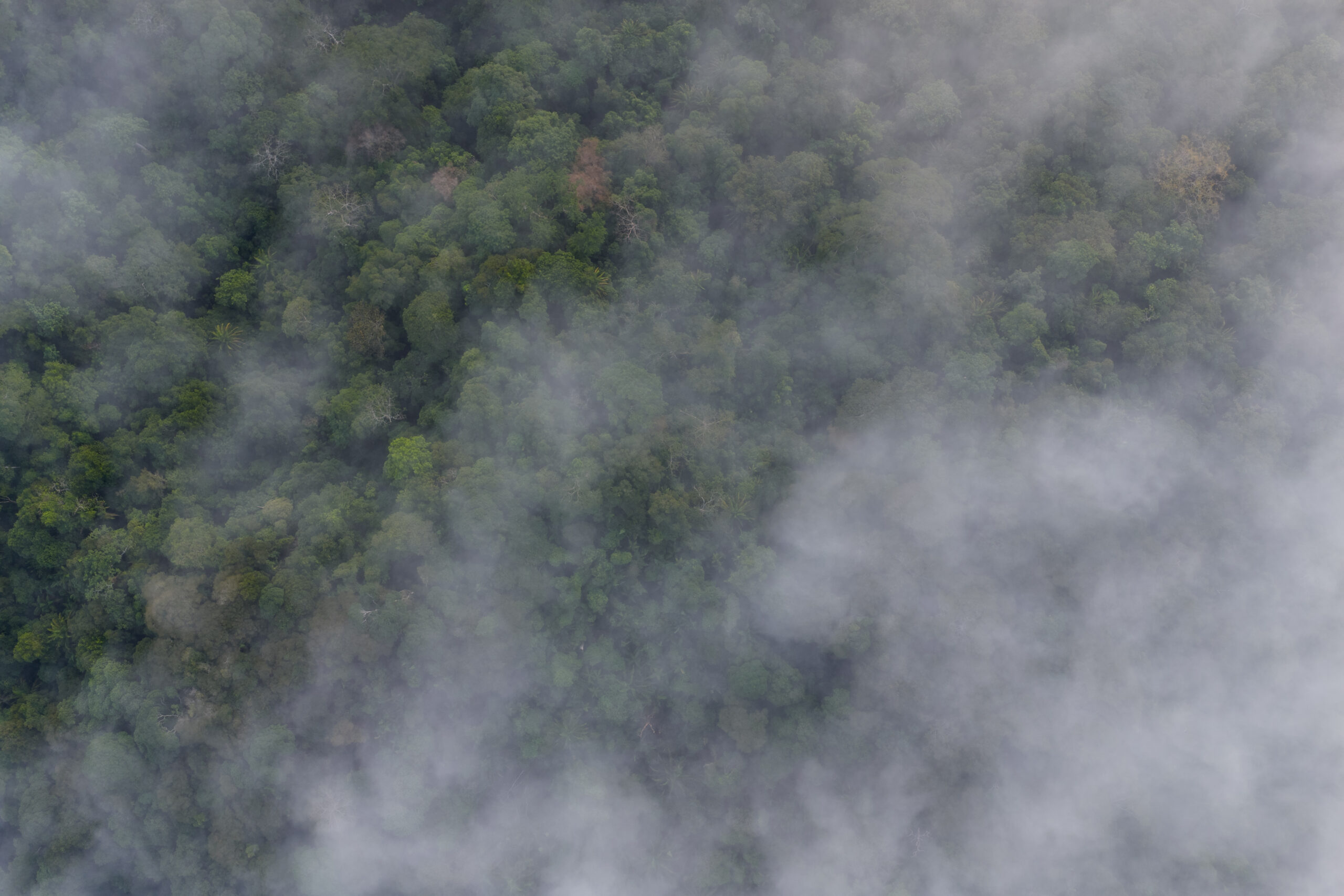
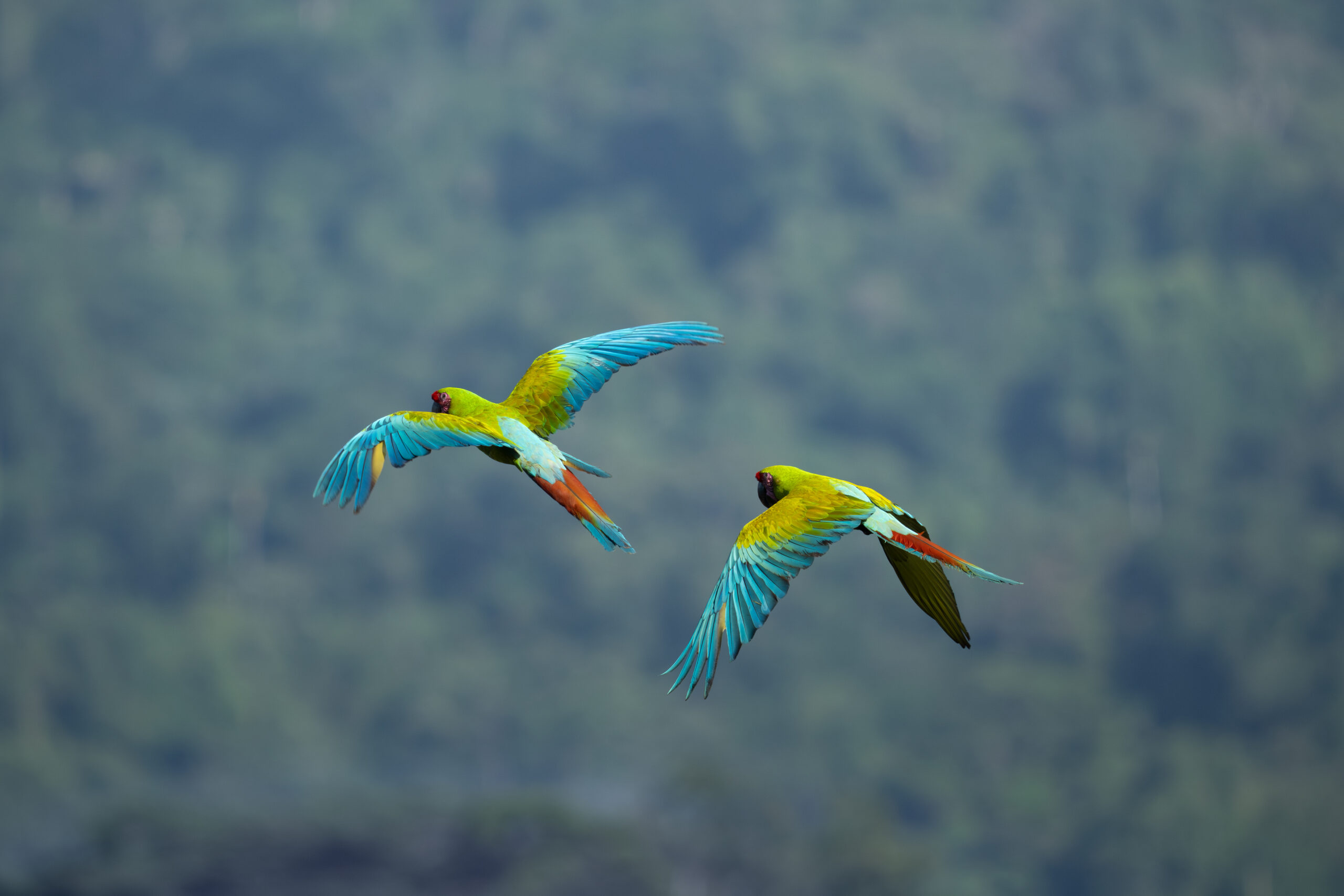
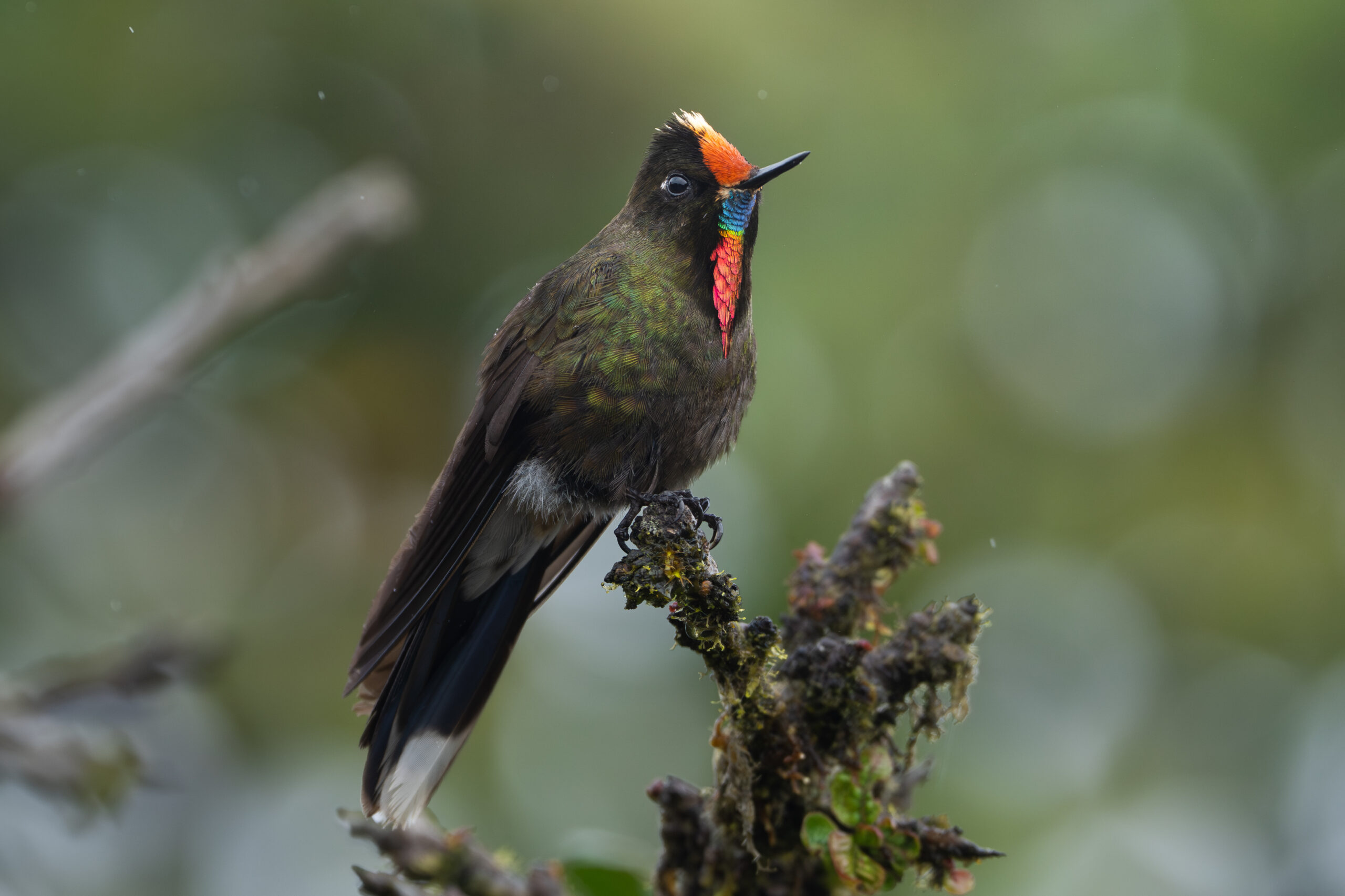
For capturing the wildlife in South America trip started in Ecuador where I spent in total 10 weeks.I was most of the time on the east side of the andes in the amazonian rainforest area. Focussing on wildlife and nature conservation projects and getting used to not only a new country but a continent. High humidity and temperatures leading to an unbelievable biodiversity. Countless colorful plants and animals. I´ve spent 1/3 of my time in Ecuador in collaboration with a NGO called Yachana Foundation. You can find more information as it is listed dedicated under projects here. I spent another third of my time in the foggy rainforests of Mindo looking for the most beautiful birds i have ever encountered and enjoying a much colder environment due the higher altitude and foggy weather. Then i put alot of effort into networking there with more organisations and also other wildlife photographer doing one or two days tours to look for specific animals. Especially around the andes there are plenty of eagles and smaller predators. The project was in collaboration with multiple brands and organisations. The first part of this trip started with a small project for National Geographic where i captured an Harpyie eagle which has been flown from Germany to Ecuador for breeding and rewilding purposes. The whole South America trip has been also supported by Sony and ColorPro.
Germany
As I am born and raised in Germany the wildlife and nature here is very interesting and well known for me. We did multiple small projects during our degree course in environmental protection. Weekly tasks like rating the biodiversity of specific biotopes, mapping of certain areas and recommendation for a more natural landscape planning. Especially with tasks like mapping and landscape planning the usage of drones is a huge profit when it comes to detailed plans. Beside that i started to shoot wildlife in the beautiful German forests and met wildlife photographers from all over Germany for new locations and adventures. Especially animals like deers, foxes, rabbits, kingfisher, falcons, kites and buzzards. One of my next destination in Germany will be the black forest again to capture lynxes and owls.
China
Bolivia is well known for its wildness and huge Amazonian rainforest. Therefore it has been always very interesting for me to start a longterm project there. So I decided to spent there 7 weeks working in a sanctuary at the madidi national reserve and do many wildlife trips there beside my time in the sanctuary. To my work there i have a dedicated project called “ONCA” which is the animal rescue center I am referring to. The biodiversity in Bolivia is compared to Ecuador also very high but different. Instead of coastal areas you have much higher altitudes and the Salar Uyuni which is ist biggest saltflat on our planet. Much more dense amazonian jungle and huge rivers. Definitely worth a trip. But unfortunately i need to mention that the criminality there is really a risk and especially when you carry expensive gear. Also La Paz is a hotspot for thieves, kidnapping and drug criminality. On the other side in jungle you have plenty of viruses and bacterias which can affect our health fast and get serious damage. With that said still Bolivia is one of my absolute recommendations which definitely needs a good preparation in terms of planning, vaccines and the right gear to make it as safe as possible.