
Exploring Alpine Ecosystems | Germany
My passion for wildlife, conservation and environmental protection was shaped long before I became a professional wildlife photographer. During my studies in Environmental Protection and Engineering at TH Bingen University of Applied Sciences, I participated in an extensive field research project focused on the analysis and assessment of alpine ecosystems in southern Germany.
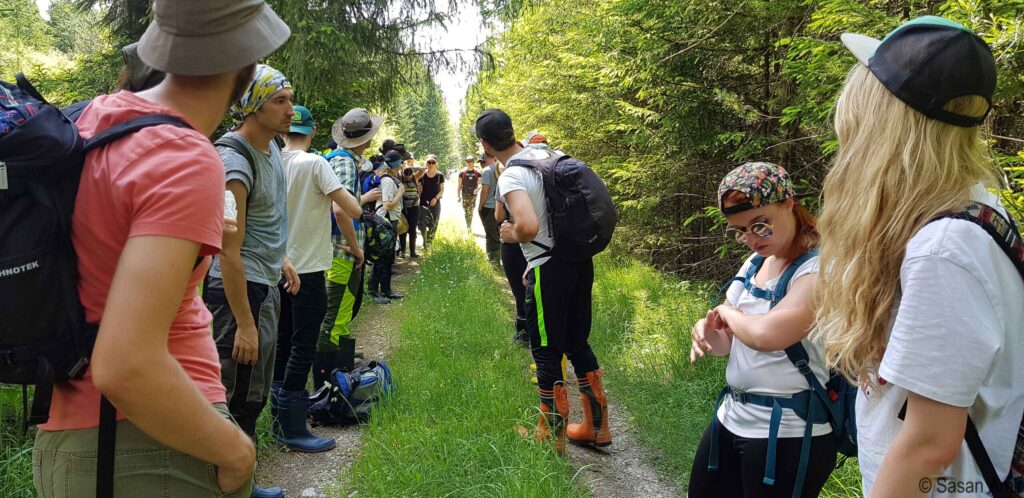
The objective of the expedition was to study different ecosystem types and gain a deeper understanding of the complex relationships between geology, hydrology, flora and fauna. Under the guidance of Prof. Dr. Michael Rademacher, an expert in limnology, ecology and zoology, we spent several days conducting fieldwork across a variety of natural habitats.
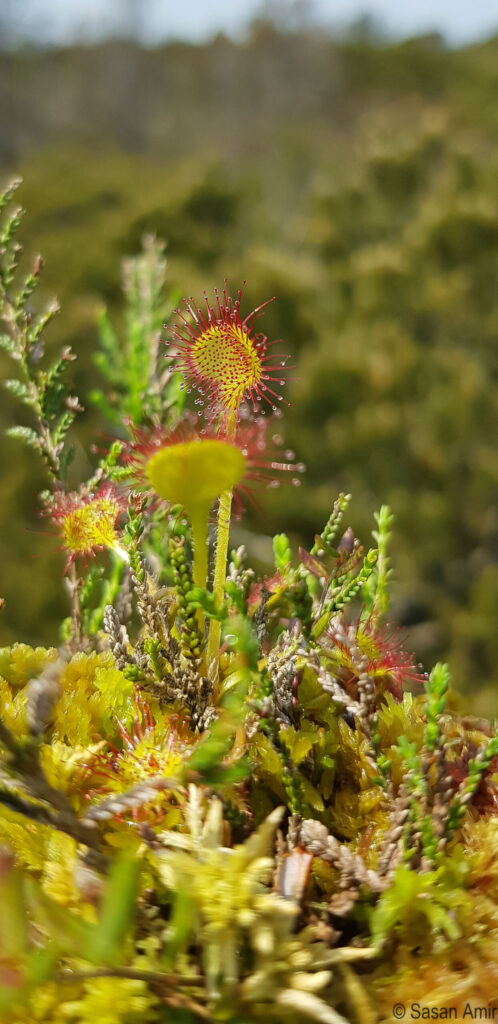
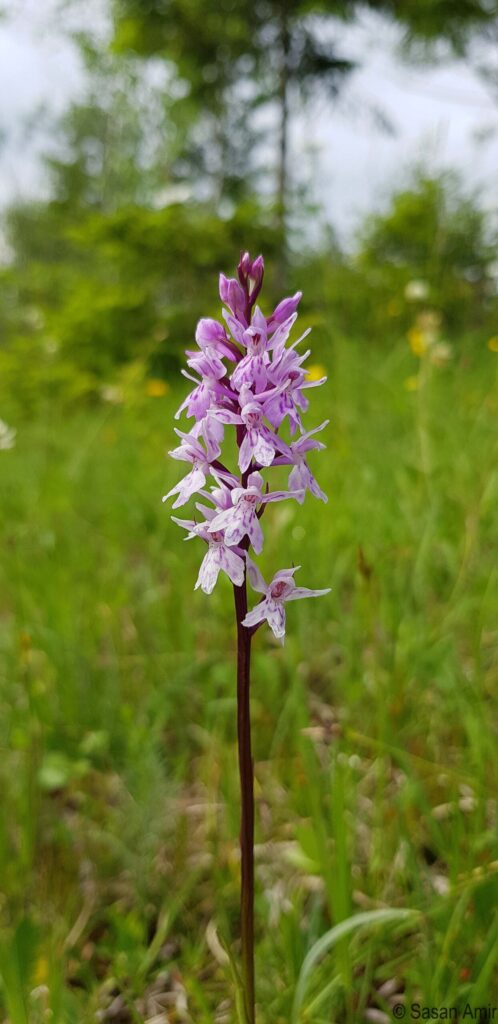
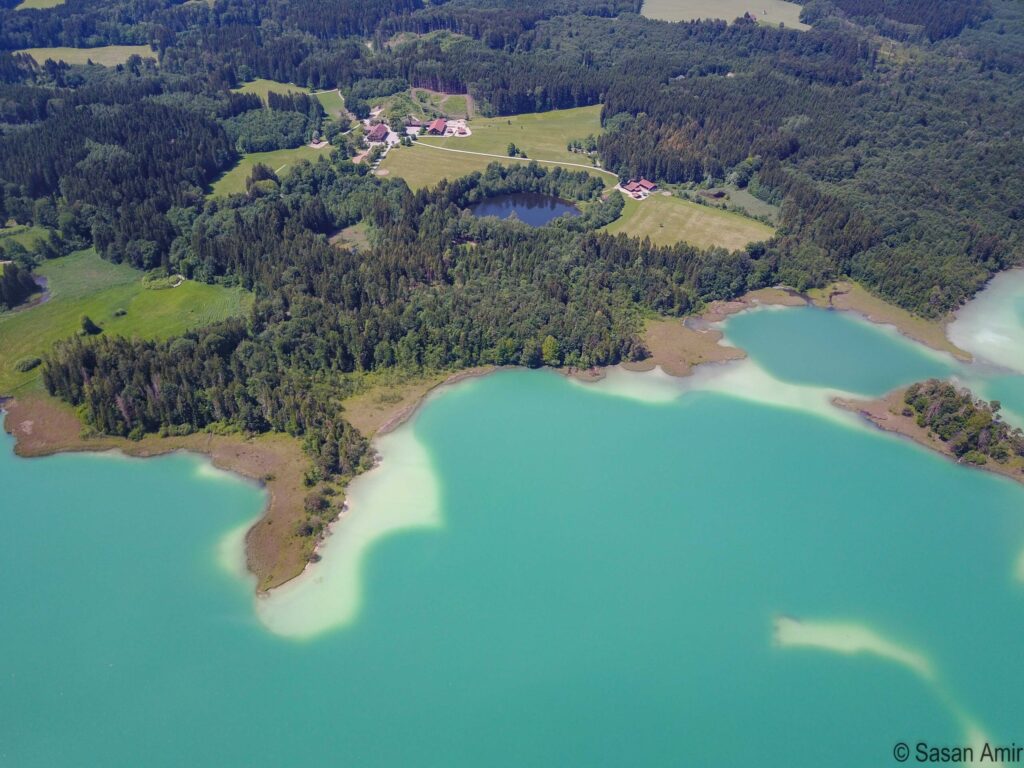
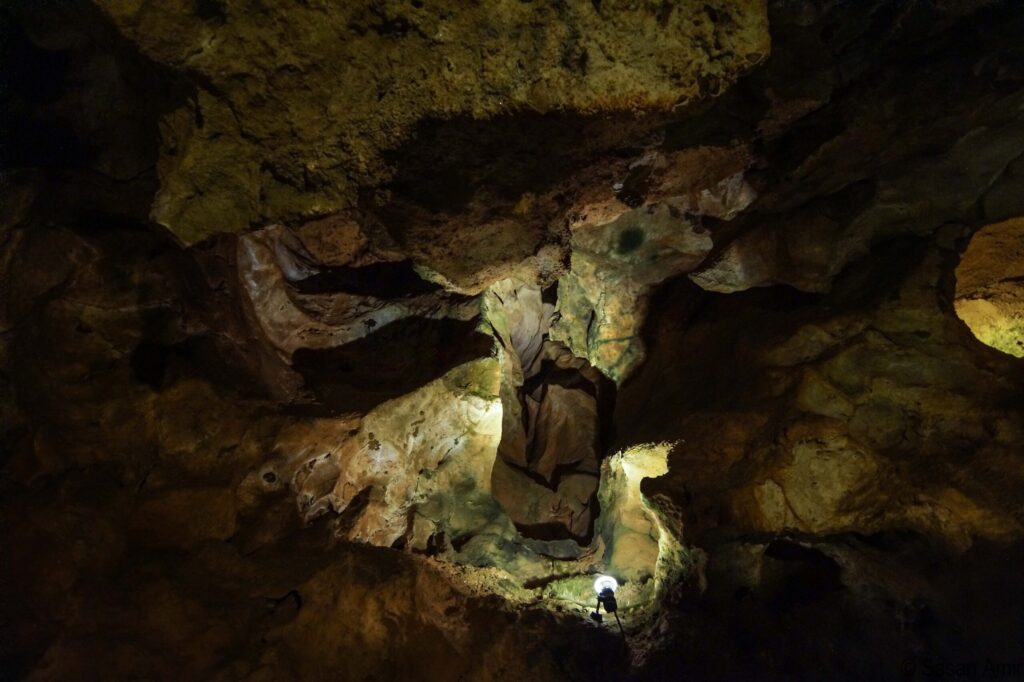
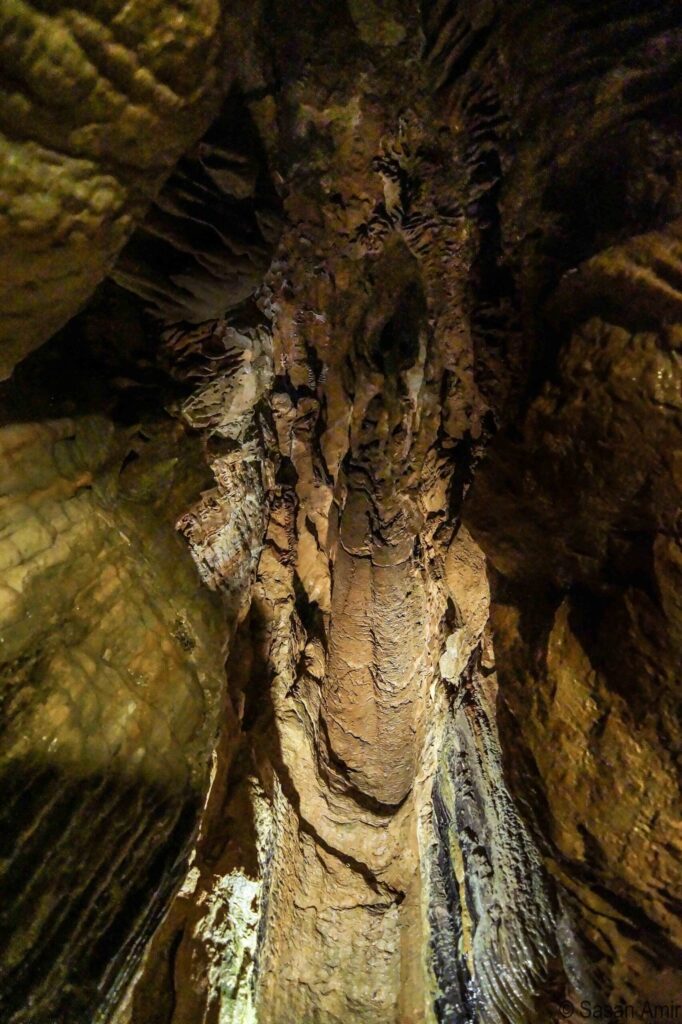
One of the most fascinating aspects of the region is the diversity of ecosystems that exist within a relatively small geographical area. As altitude increases, environmental conditions change significantly, creating a mosaic of habitats that includes forests, rivers, lakes, wetlands, mountain meadows and alpine environments. Each of these habitats supports its own communities of plants and animals and contributes to the ecological complexity of the landscape.
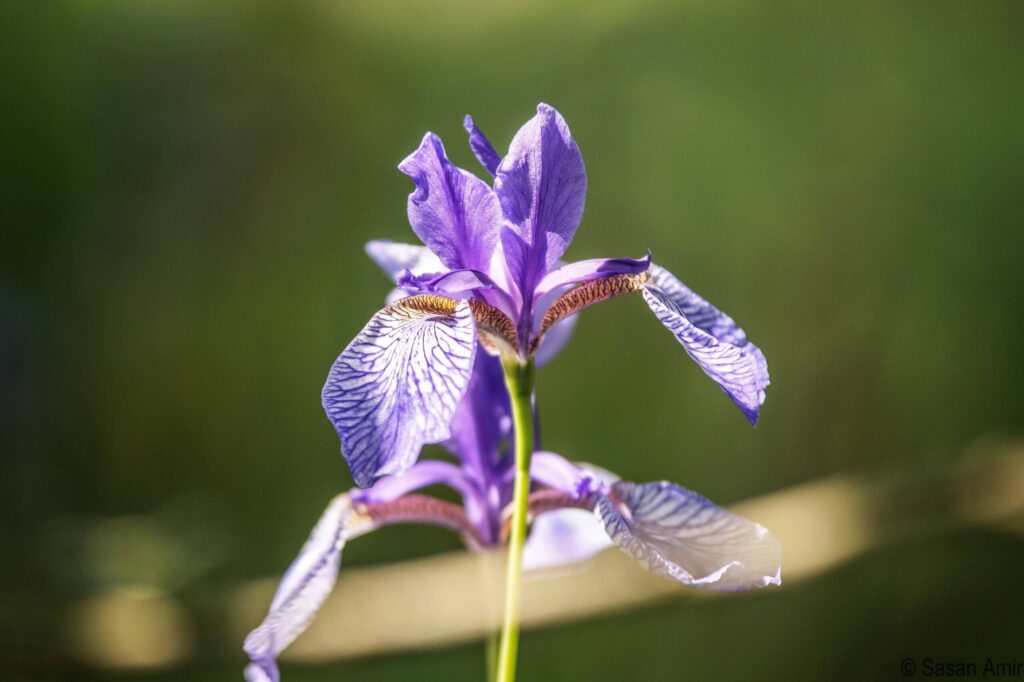
Throughout the project, we mapped selected study areas and analyzed vegetation, soil composition and habitat structures. These investigations provided valuable insights into how environmental conditions influence biodiversity and ecosystem development over time.
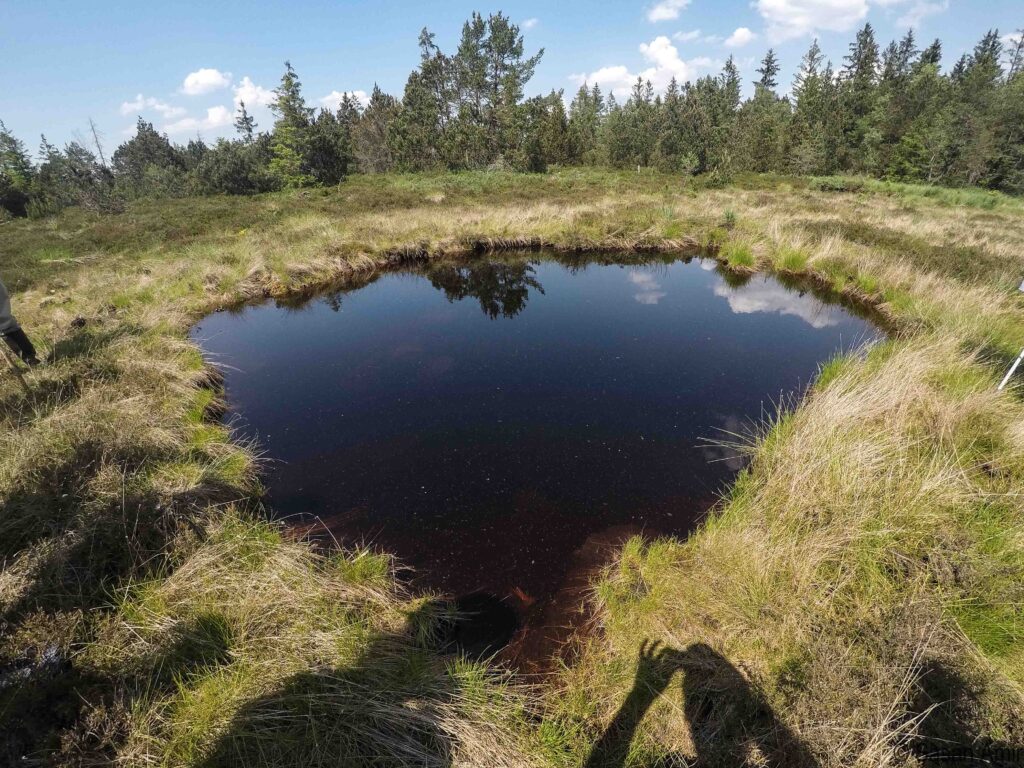
Particular attention was given to wetland and marsh ecosystems. These habitats are among the most valuable ecosystems in Central Europe and play an important role in water retention, water purification, carbon storage and biodiversity conservation. Marshes often require hundreds or even thousands of years to develop naturally and provide critical habitat for a wide range of specialized species.
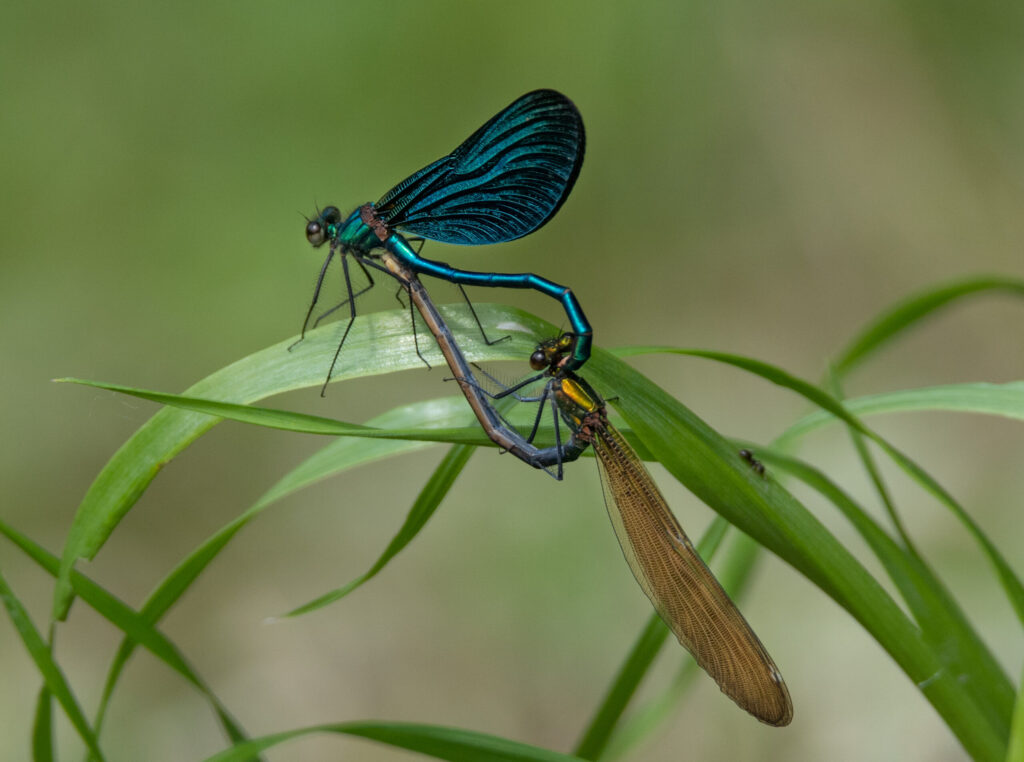
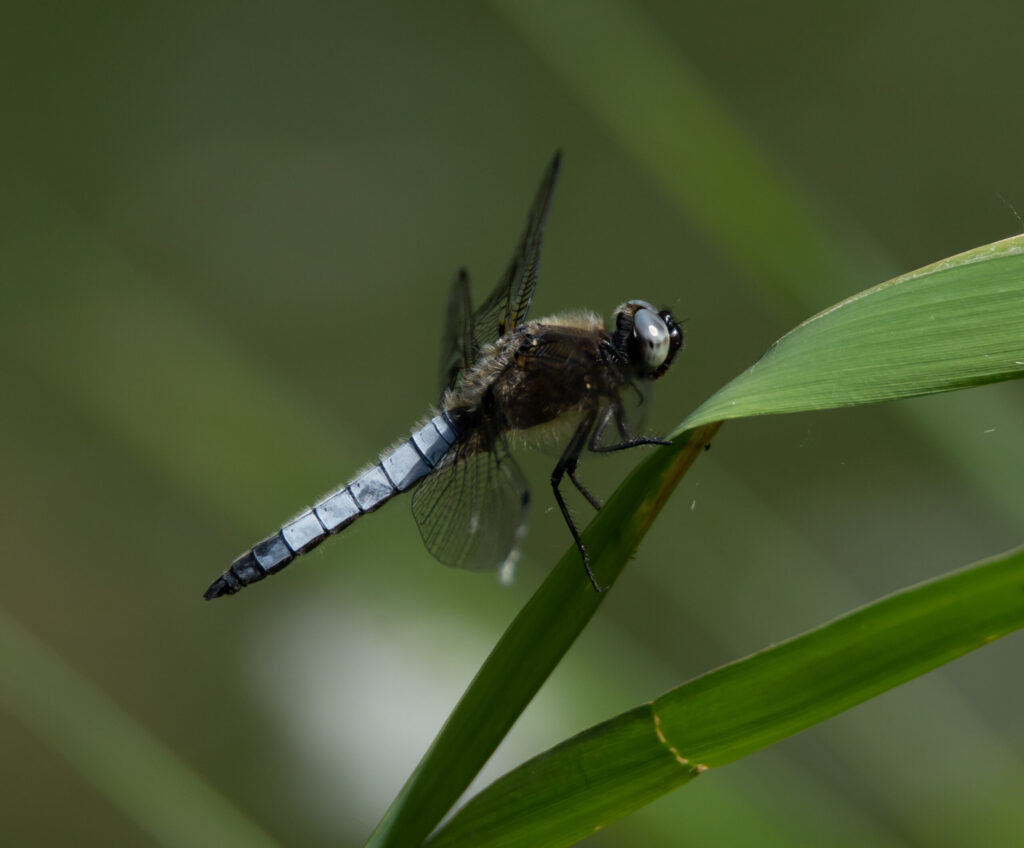
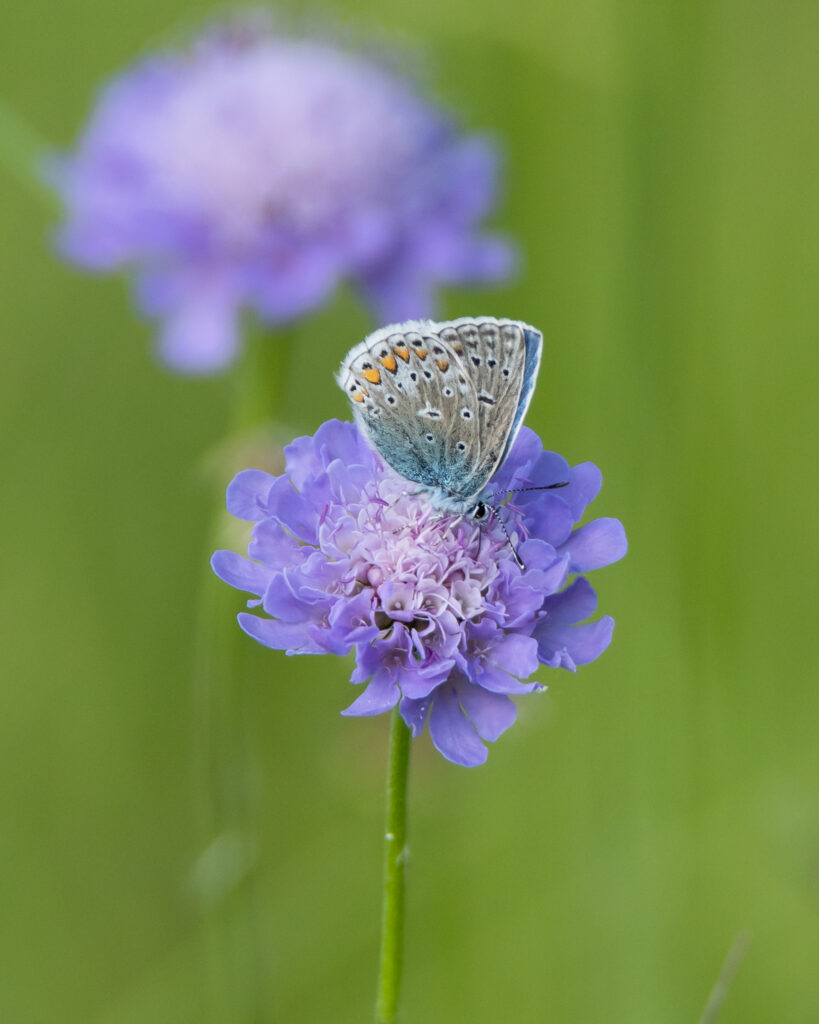
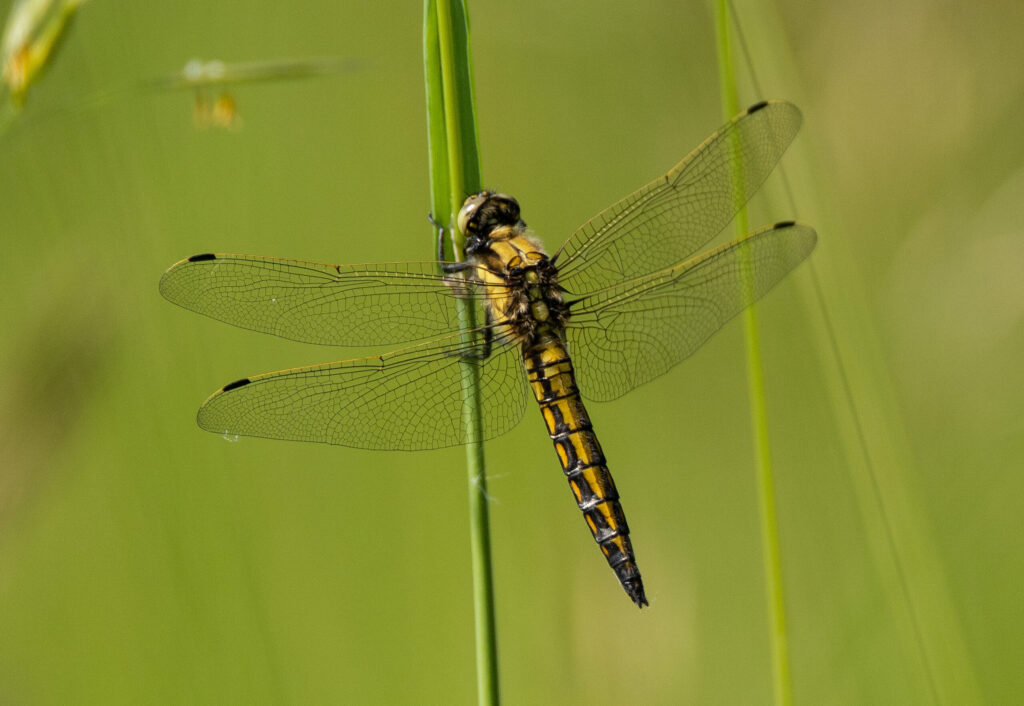
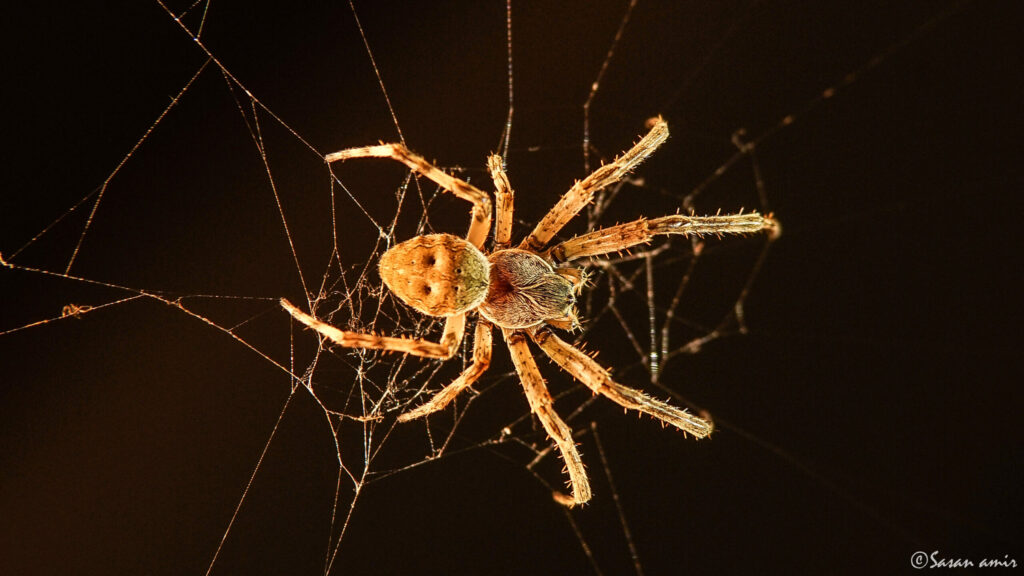
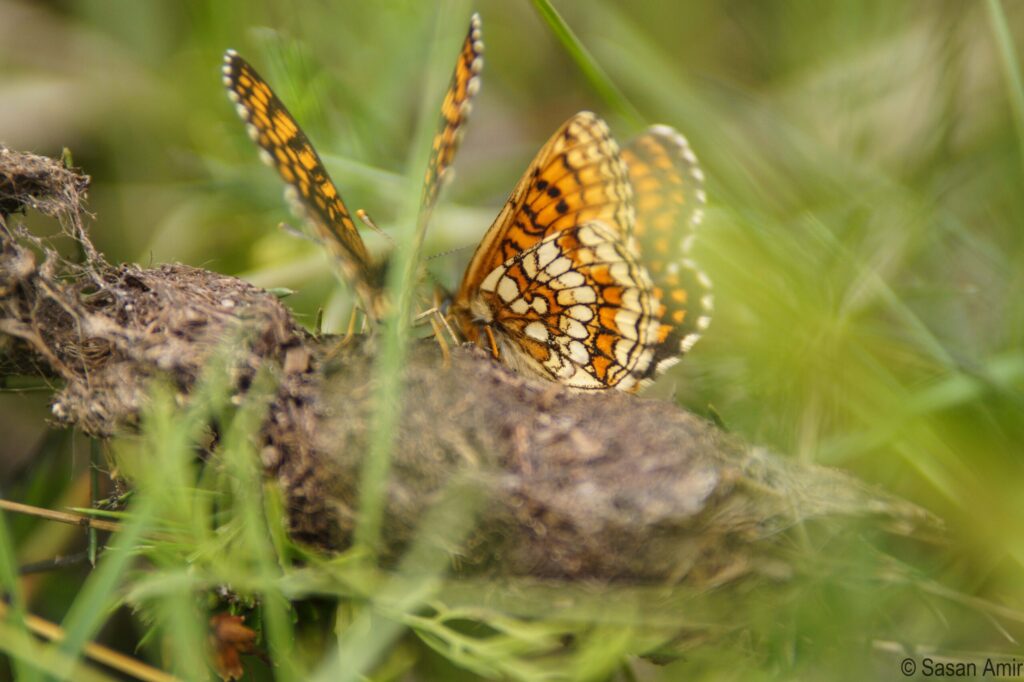
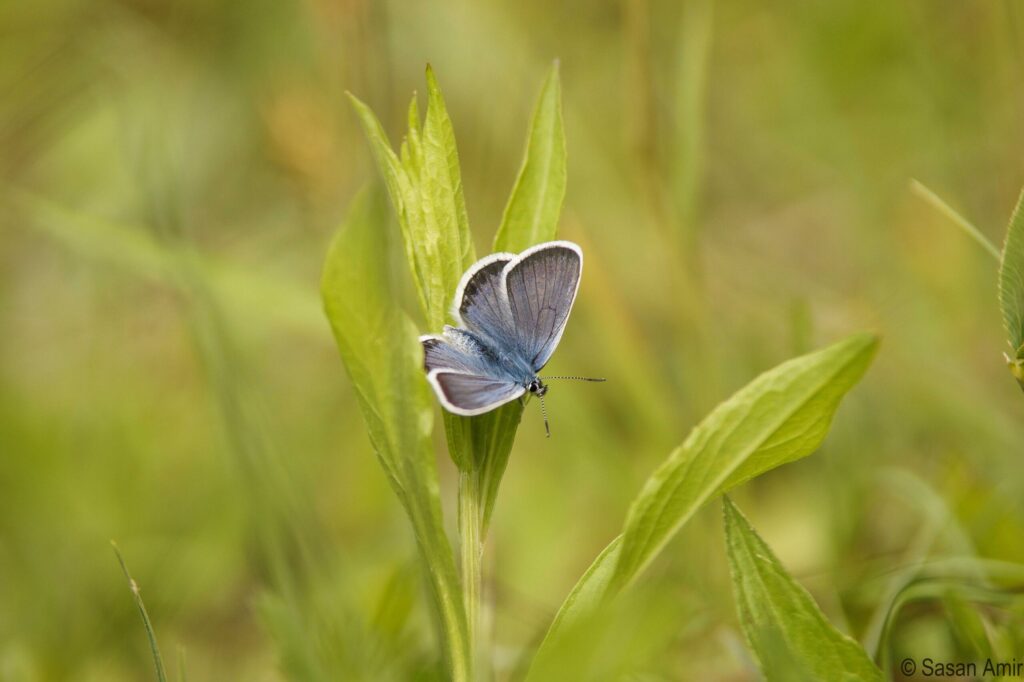
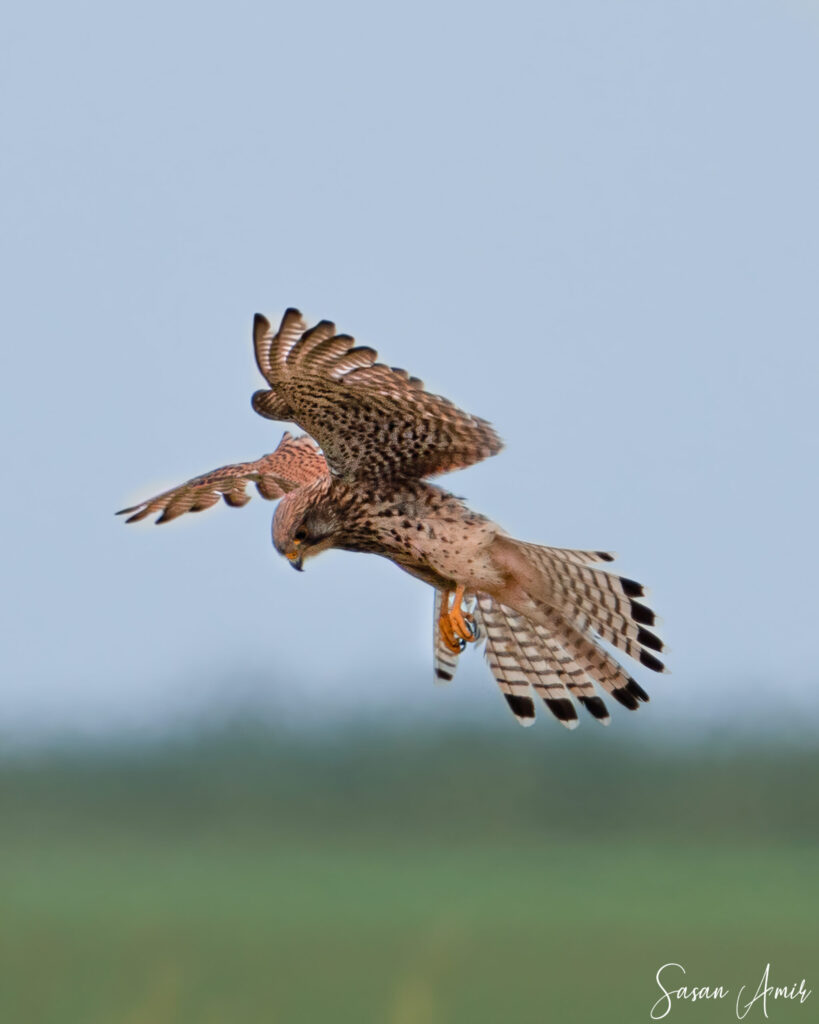
To better understand these environments, we spent many hours hiking through wetlands and surrounding habitats while documenting species and ecological structures. During the fieldwork, we encountered a remarkable variety of wildlife, including birds of prey, dragonflies, amphibians and reptiles. These species are important indicators of ecosystem health and can reveal valuable information about the condition and stability of their habitats.
Dragonflies, for example, are highly sensitive to changes in water quality and habitat conditions, making them excellent indicators of healthy freshwater ecosystems. Birds of prey occupy important positions within food webs, while reptiles and amphibians often depend on very specific environmental conditions and therefore provide valuable insights into habitat quality.
Beyond the scientific data collected, the project offered invaluable practical experience. Observing ecosystems directly in the field provides perspectives that cannot be fully gained through textbooks or classroom learning alone. Understanding how landscapes function, how species interact and how environmental factors influence biodiversity remains one of the most effective ways to develop a deeper appreciation for nature and conservation.
The alpine regions of Germany are home to a fascinating variety of habitats and species. Their combination of mountains, forests, rivers, lakes and wetlands demonstrates how interconnected natural systems are and how important it is to preserve these environments for future generations.
This field project not only expanded my scientific understanding of ecology but also strengthened my connection to conservation and environmental stewardship. The knowledge and experiences gained during this expedition continue to influence my work today, shaping how I document wildlife and communicate the importance of protecting natural ecosystems.
Special thanks to Prof. Dr. Michael Rademacher and TH Bingen University of Applied Sciences for providing the opportunity to explore these remarkable landscapes and gain valuable hands on experience in ecological field research.