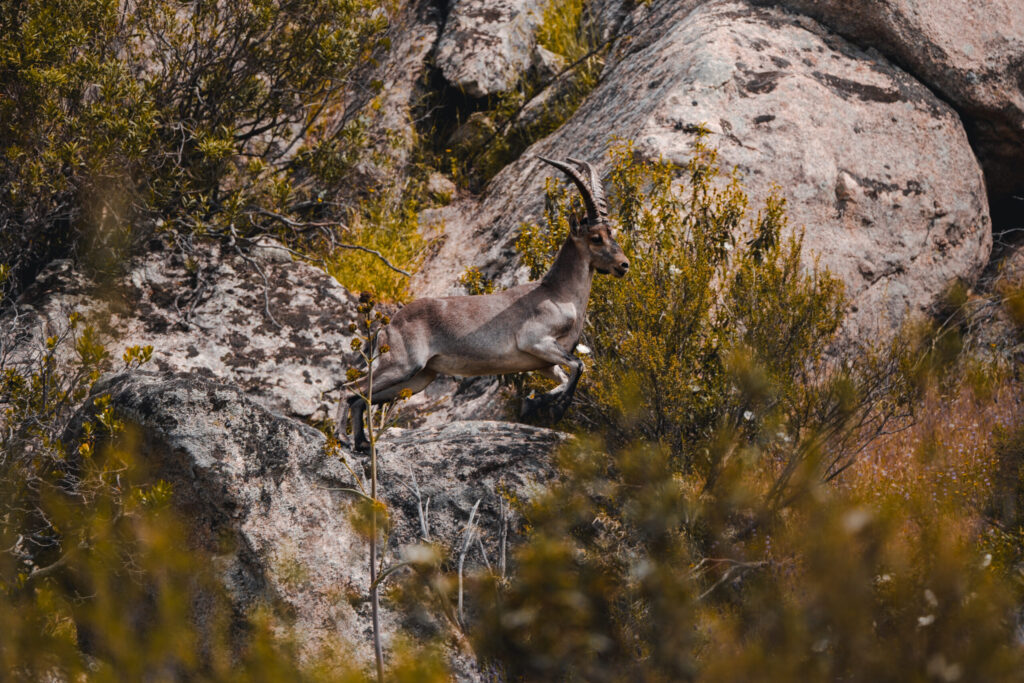


The Return of the Iberian Lynx – Spain
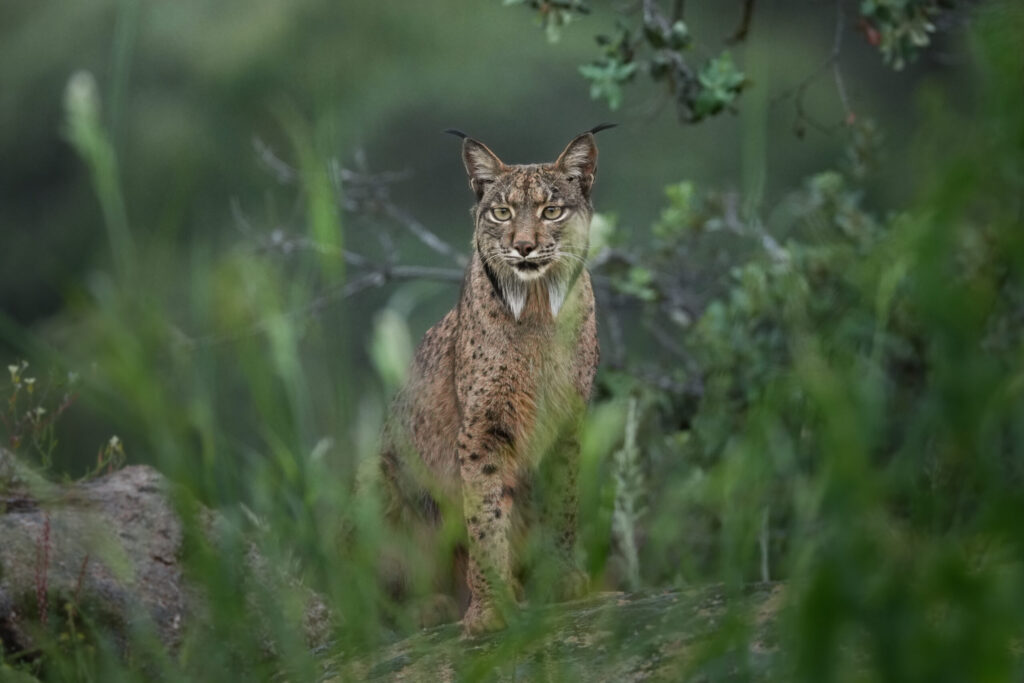
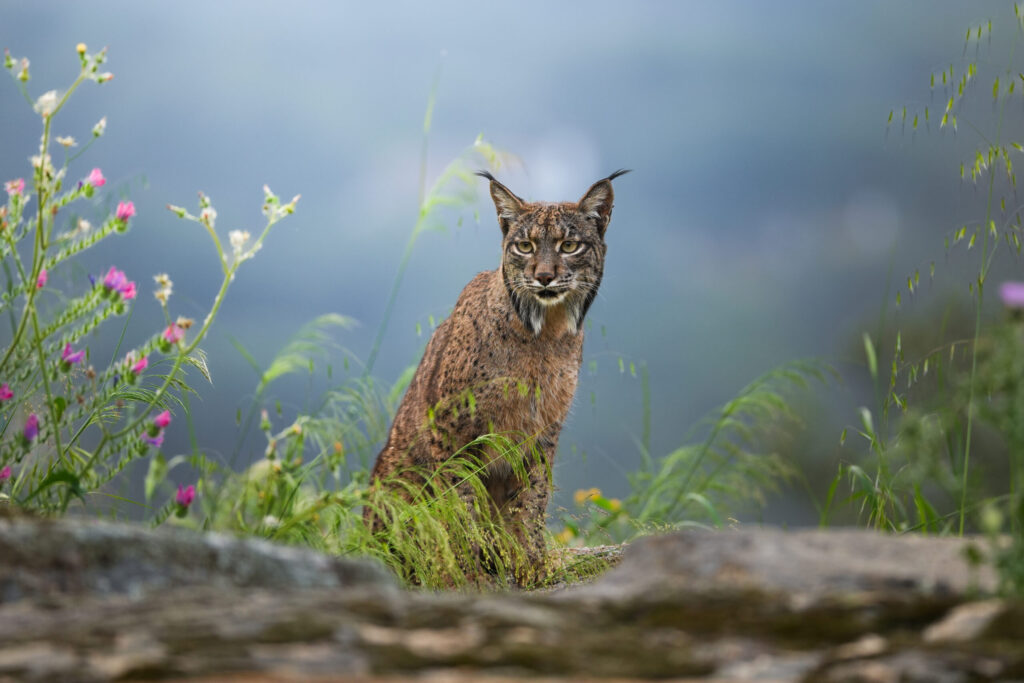
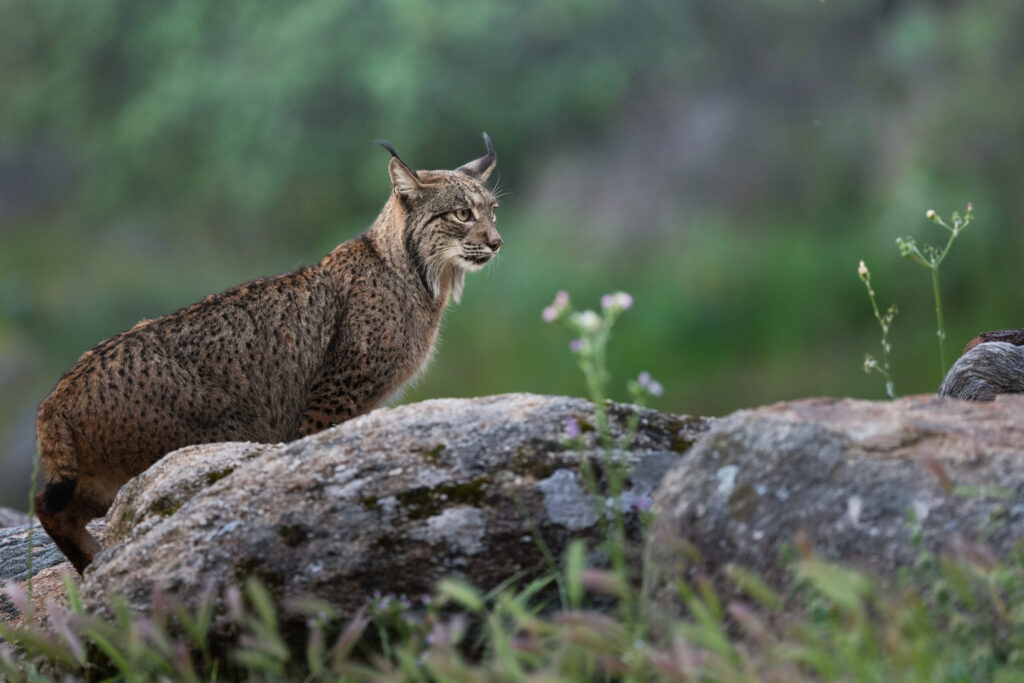
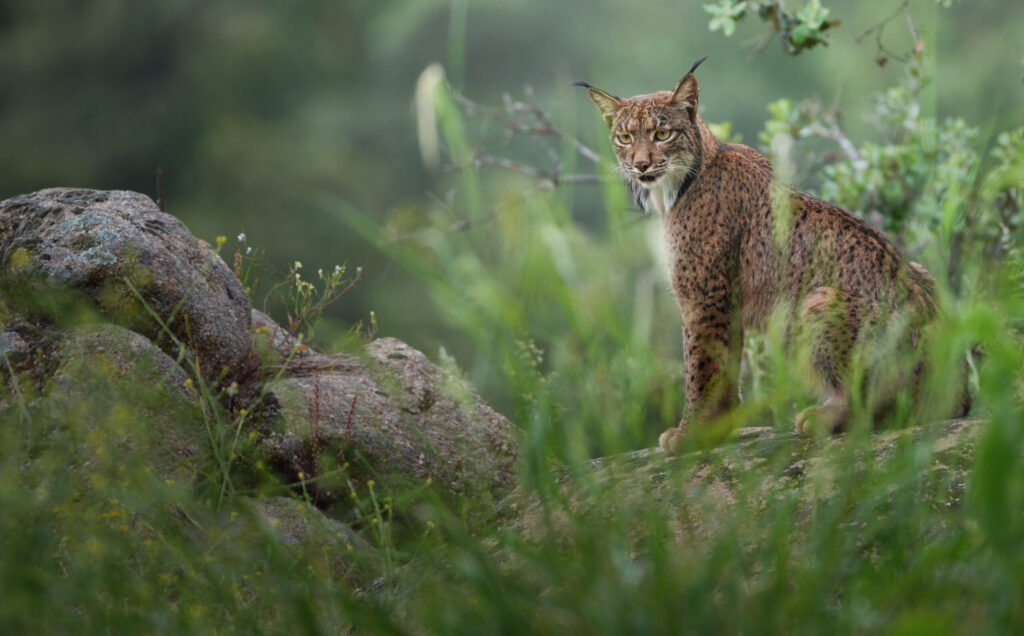
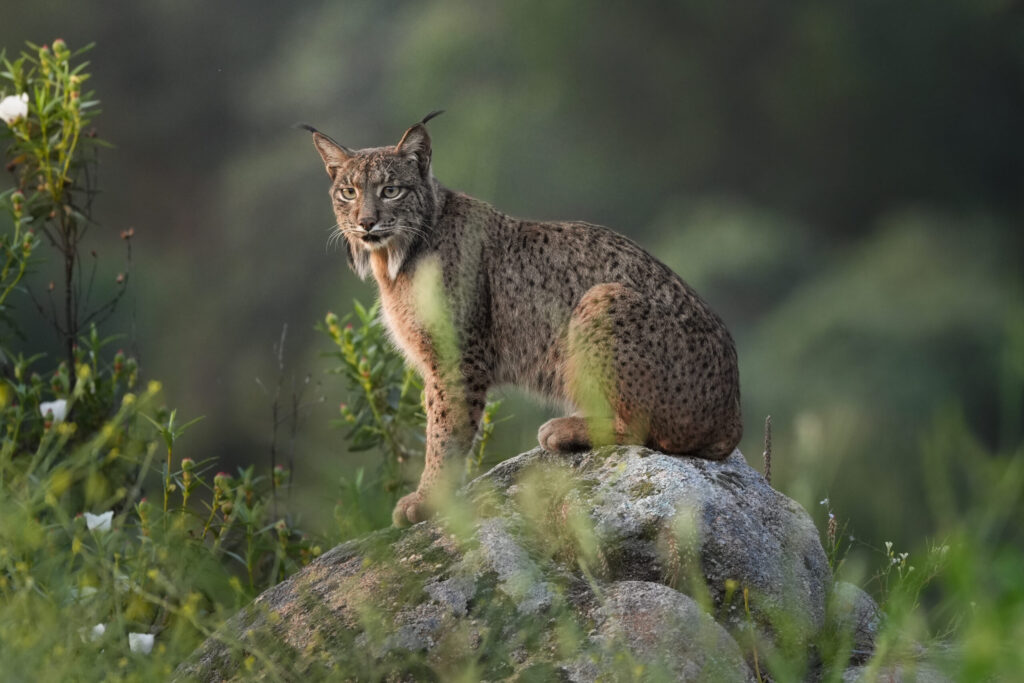
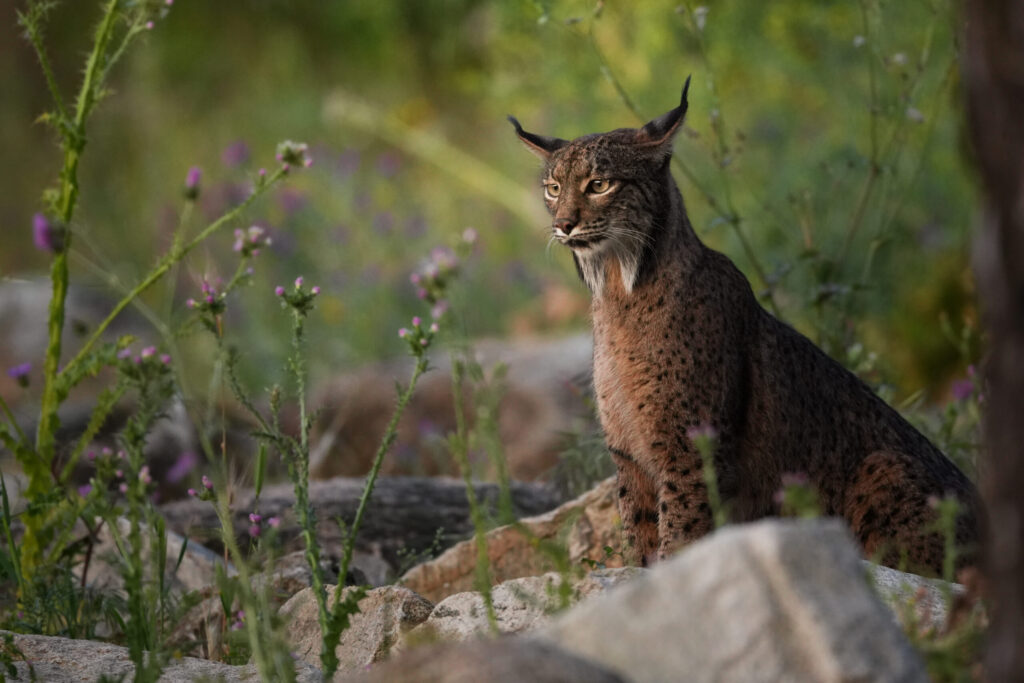
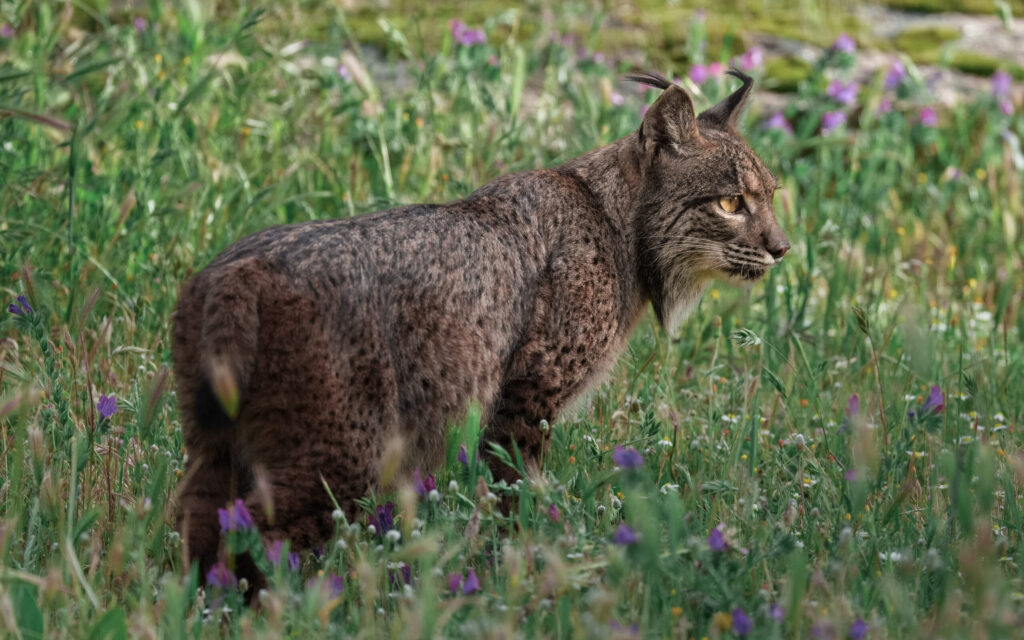
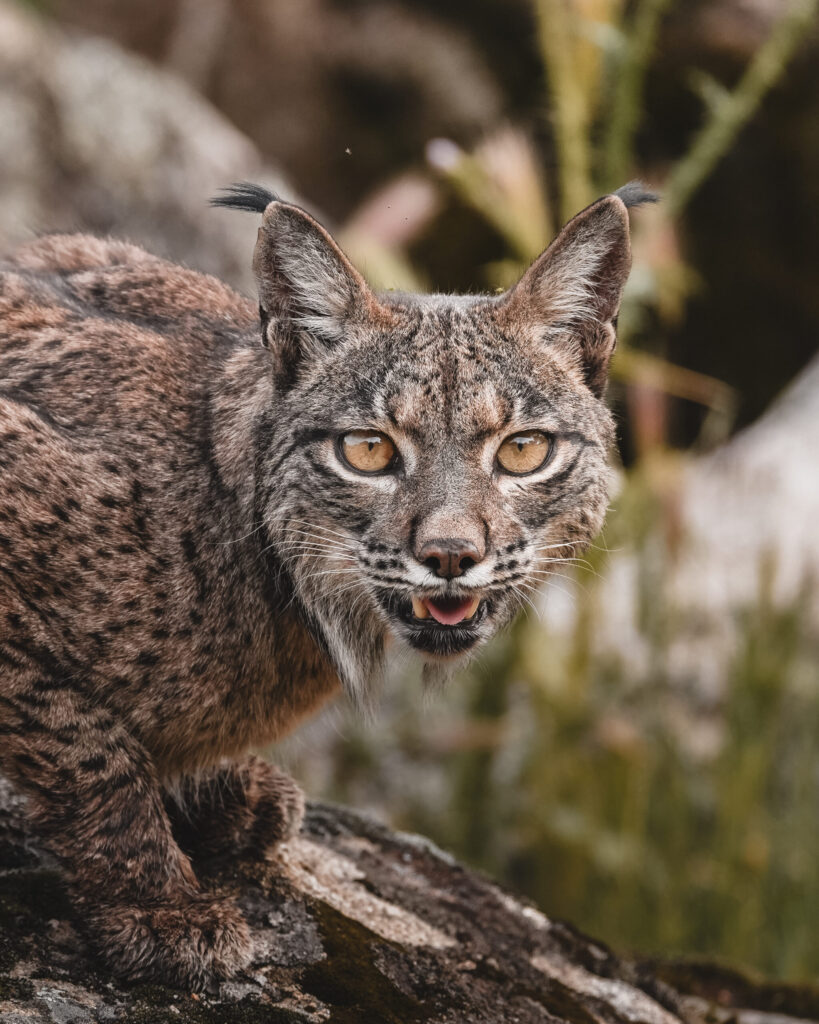
Over the course of several weeks, I travelled through the Spanish wilderness to document one of Europe’s greatest conservation success stories: the Iberian Lynx (Lynx pardinus). Once considered the most endangered wild cat on Earth, this elusive predator stood on the very edge of extinction. Today, it has become a symbol of hope and proof that dedicated conservation efforts can reverse even the most dramatic population declines.
The Iberian Lynx is one of the rarest feline species in the world and can only be found on the Iberian Peninsula. Photographing these animals is an extraordinary challenge. They move silently through dense Mediterranean scrubland, are highly cautious, and often reveal themselves only for a few fleeting moments. Every encounter feels earned and serves as a powerful reminder of the importance of protecting our natural world.
Only a few decades ago, the future of the species looked bleak. Habitat destruction, fragmentation of natural landscapes, illegal killing and a severe decline in rabbit populations – the lynx’s primary prey – pushed the species towards extinction. By the early 2000s, fewer than 100 individuals remained in the wild, confined to just a handful of isolated populations in southern Spain.
What followed became one of the most remarkable wildlife recovery programs ever implemented in Europe. Conservation organizations, scientists, governments and local communities worked together to restore habitat, increase rabbit populations, establish captive breeding programs and reconnect fragmented landscapes. Wildlife crossings, habitat restoration projects and continuous monitoring have all played a crucial role in the species’ recovery.
Today, the Iberian Lynx population has grown to more than 2,000 individuals across Spain and Portugal. The species has become a global conservation success story and demonstrates that wildlife recovery is possible when long-term protection, scientific research and public support come together.
Despite this incredible progress, challenges remain. Road mortality, habitat fragmentation, climate change and fluctuations in prey populations continue to threaten the species. Continued conservation efforts are essential to ensure that future generations will still have the opportunity to witness these extraordinary cats in the wild.
For me, spending weeks in the field observing and photographing Iberian Lynx was about much more than capturing images. It was an opportunity to document a rare success story in wildlife conservation and to share the importance of protecting ecosystems before species reach the point of no return.
Project Film
https://www.youtube.com/watch?v=Mz_KvQrbnMM
The film accompanying this project provides a deeper look into the world of the Iberian Lynx, the challenges the species faced, and the conservation efforts that helped bring it back from the brink of extinction. Through photography, filmmaking and storytelling, the goal is not only to showcase the beauty of this remarkable animal but also to highlight the importance of preserving the habitats that make its survival possible.
Special thanks to local guide Gati Clavo, whose extensive knowledge of the region, dedication to conservation and passion for wildlife were invaluable throughout this project. His expertise played a key role in making these encounters possible and in helping tell the story of one of Europe’s most inspiring conservation successes.