

Hours of waiting. Days of observing. Learning the behavior, understanding the light, earning the moment.
In the wild, nothing happens on command.
The animal decides.




Wildlife photography usually begins with waiting.
Sometimes, I spend hours observing a landscape without taking a single photograph. Then, without warning, an animal emerges from the shadows, crosses an open plain or looks directly into the camera. The moment may last only a few seconds. Everything depends on patience, preparation and respect for the animal.
But what happens when the animal you are waiting for will never appear?
For my project Phoenix AI, I use Adobe Firefly alongside historical records, scientific research and my experience as a wildlife photographer to create visual interpretations of extinct species. These images are not intended to imitate historical photographs or replace scientific documentation. They are imagined encounters with animals that have disappeared from the natural world.
The project began with a simple but unsettling question: Can an image help us feel the loss of a species we have never seen alive?
In traditional wildlife photography, the animal determines the encounter.
You cannot tell a leopard where to stand. You cannot ask a bird to turn towards the light or a herd of elephants to wait until the composition is perfect. You observe, anticipate and adapt. The photographer has control over the camera, but never over the natural world unfolding in front of it.
Extinct animals leave no possibility for such an encounter.
No journey can take us to them. No camera trap can record their return. No amount of patience will reveal their movement in the forest, their silhouette on a mountain ridge or their reflection beside a river.
Most people know extinct species only through preserved specimens, drawings, written descriptions and fragmented historical records. These sources are essential, but they often make extinction feel distant. A species becomes a name, a date and a final confirmed sighting.
Phoenix AI attempts to reduce that distance.
Using Adobe Firefly, I reconstruct scenes that place extinct animals within environments inspired by the habitats they once occupied. The process begins long before an image is generated. Each species requires research into its anatomy, scale, behavior, geographical range and ecological role.

The resulting images are not evidence of the past. They are visual interpretations designed to encourage curiosity, reflection and a deeper awareness of what extinction truly means.
Although the images are produced digitally, the visual approach is closely connected to wildlife photography.
Light must feel as though it belongs to the landscape. The animal should appear integrated into its surroundings rather than placed in front of them. Its posture, scale and perspective must remain believable. Small details, such as the position of the eyes, the texture of feathers or the way an animal carries its weight, can determine whether an image feels convincing.
The first result is rarely the final result.
Generated images must be reviewed, refined and sometimes discarded. Anatomy may be inconsistent. A landscape may not correspond with the species’ natural range. The animal may appear too dramatic, too passive or disconnected from its environment.
Artificial intelligence provides the means to visualize the scene, but research and human judgment shape the story.
This distinction is important. Phoenix AI is not an attempt to present generated imagery as traditional wildlife photography. Every image should be clearly identified as AI-generated. The purpose is not to blur the boundary between reality and reconstruction, but to use that boundary consciously.
A report by Saarländischer Rundfunk accompanied me during the creation of the project and showed how the extinct animals gradually return to view on the computer screen. The report also highlighted the central purpose behind the work: using visual storytelling to create greater awareness of species conservation.
That purpose extends beyond the animals represented in the images.
Each extinct species was once a living species under increasing pressure. There was a period when its decline had already begun, but its disappearance was not yet inevitable. Habitat destruction, hunting, persecution, pollution, introduced species and other forms of human influence gradually reduced populations until no individuals remained.
Looking at extinction only as a historical event can make it seem final and disconnected from the present. Yet the same pressures continue to affect wildlife today.
The extinct animals created for Phoenix AI therefore do not only tell stories about the past. They also ask what will happen to the species that are still alive.
Will future generations encounter them in the wild, or only through archives, museum collections and digital reconstructions?
There was once movement along Japan’s rivers and coastlines that has now disappeared.
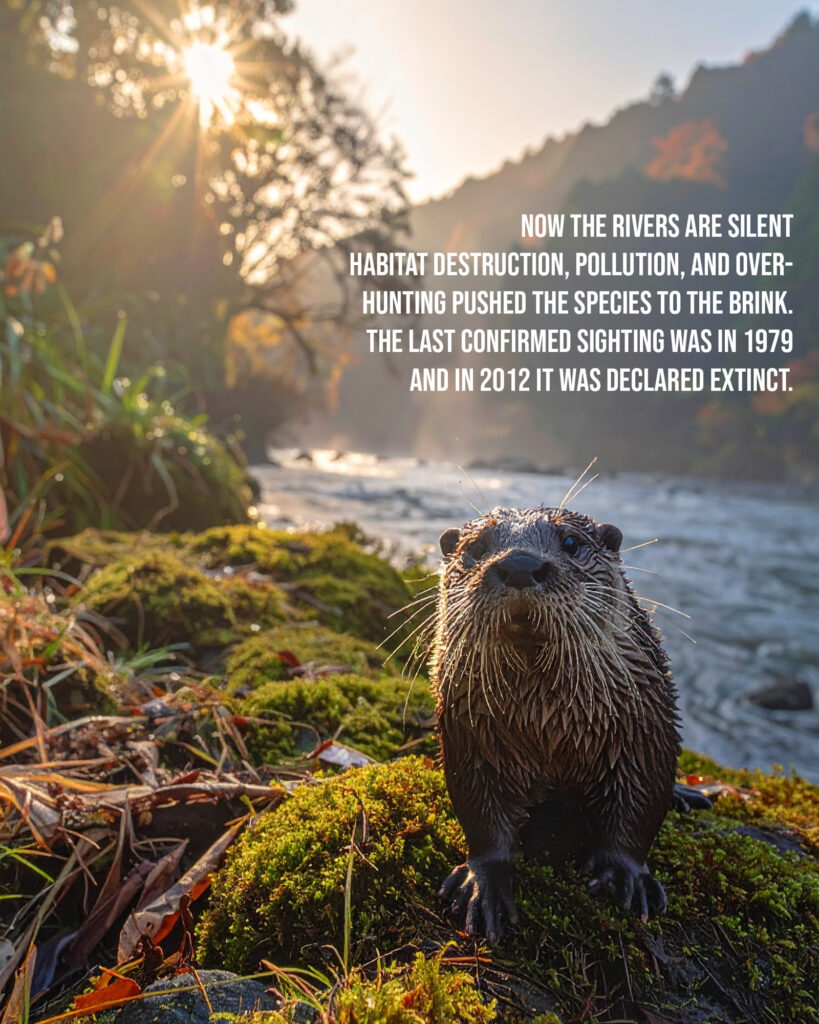
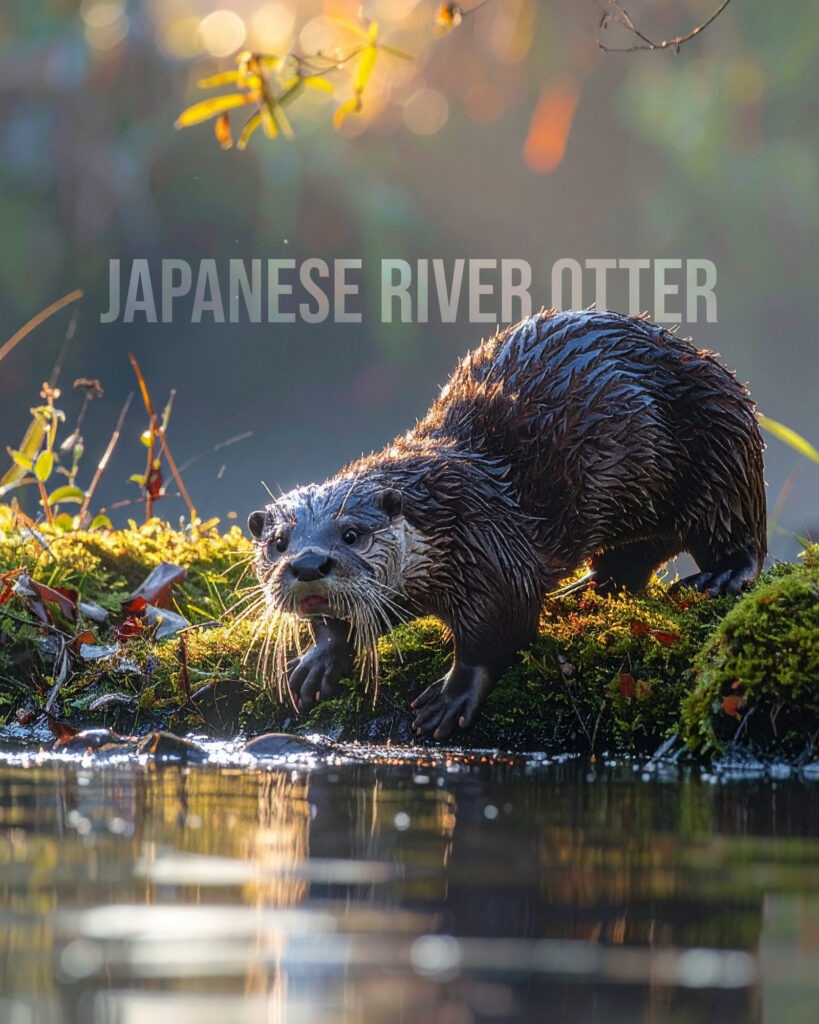
The Japanese River Otter was associated with clean waterways and functioning aquatic ecosystems. Pollution, habitat destruction and hunting contributed to its decline. The last confirmed sighting was recorded in 1979, and Japan’s Ministry of the Environment officially declared the otter extinct in 2012.
In the Phoenix AI images, the otter returns to a moss-covered riverbank. Water reflects the surrounding forest, while the animal stands close enough for us to recognize its wet fur, whiskers and alert expression.
It is a peaceful scene, but the silence behind it remains.
The landscape can still be photographed. The river still flows. Only one of its former inhabitants is missing.
The idea of a bear living in Africa now feels almost impossible.
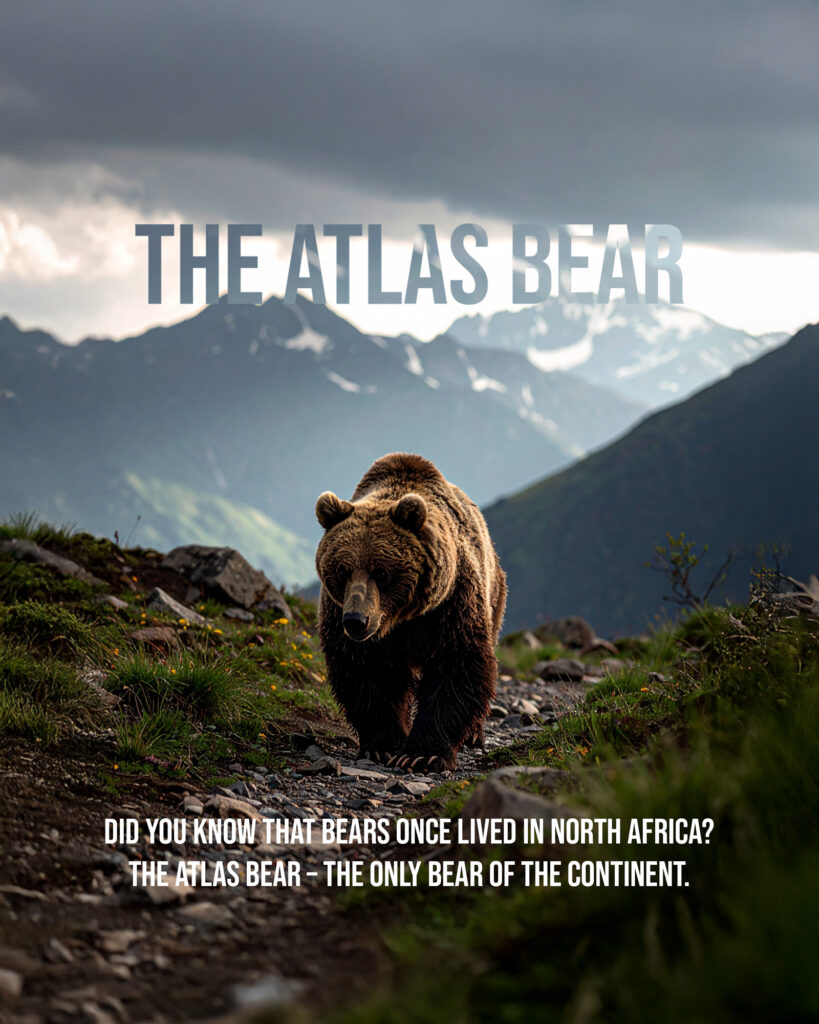
Yet brown bears once inhabited parts of North Africa, including the forests and mountain landscapes associated with the Atlas region. The Atlas Bear is generally described as an extinct North African population or subspecies of the brown bear and as the only native bear known to have survived in Africa into historical times.
Its exact extinction date remains uncertain. Historical accounts, hunting records and physical evidence do not always agree, but the bear is generally believed to have disappeared during the nineteenth century. Hunting and wider human pressure are considered important factors in its loss.
Phoenix AI places the bear back among steep slopes, rock formations and mountain vegetation.
The result changes our perception of the landscape. What appears empty today becomes part of a former ecosystem in which a large bear once moved across North African terrain.
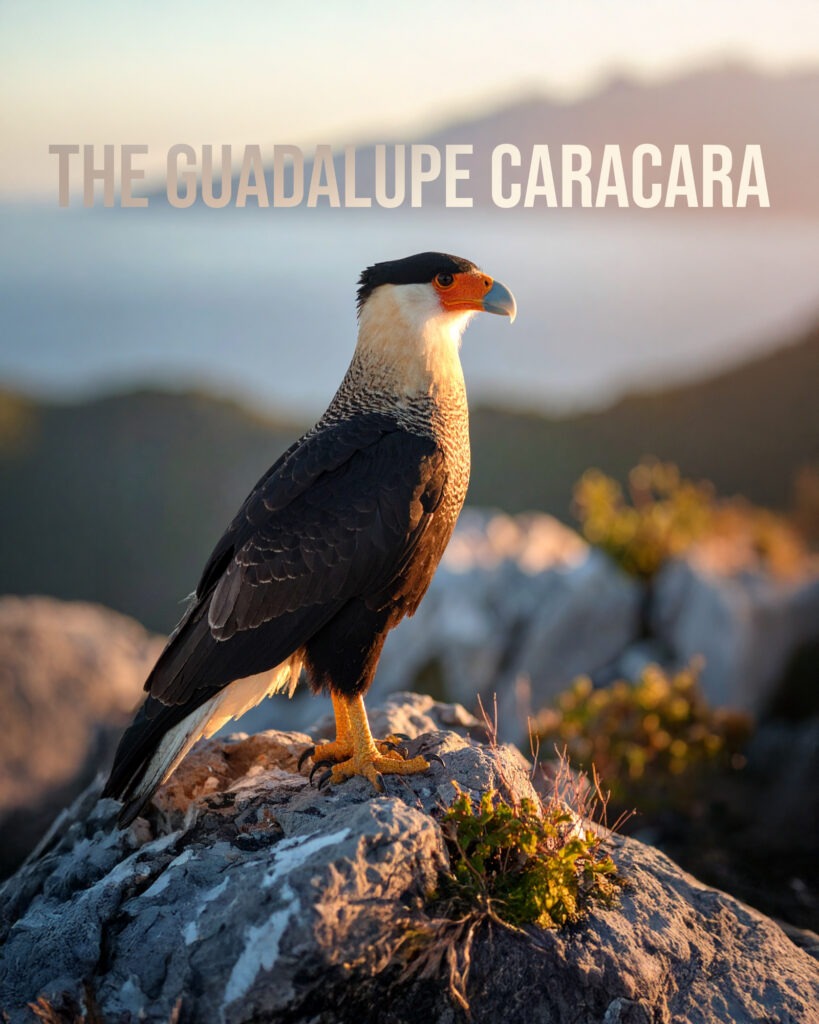
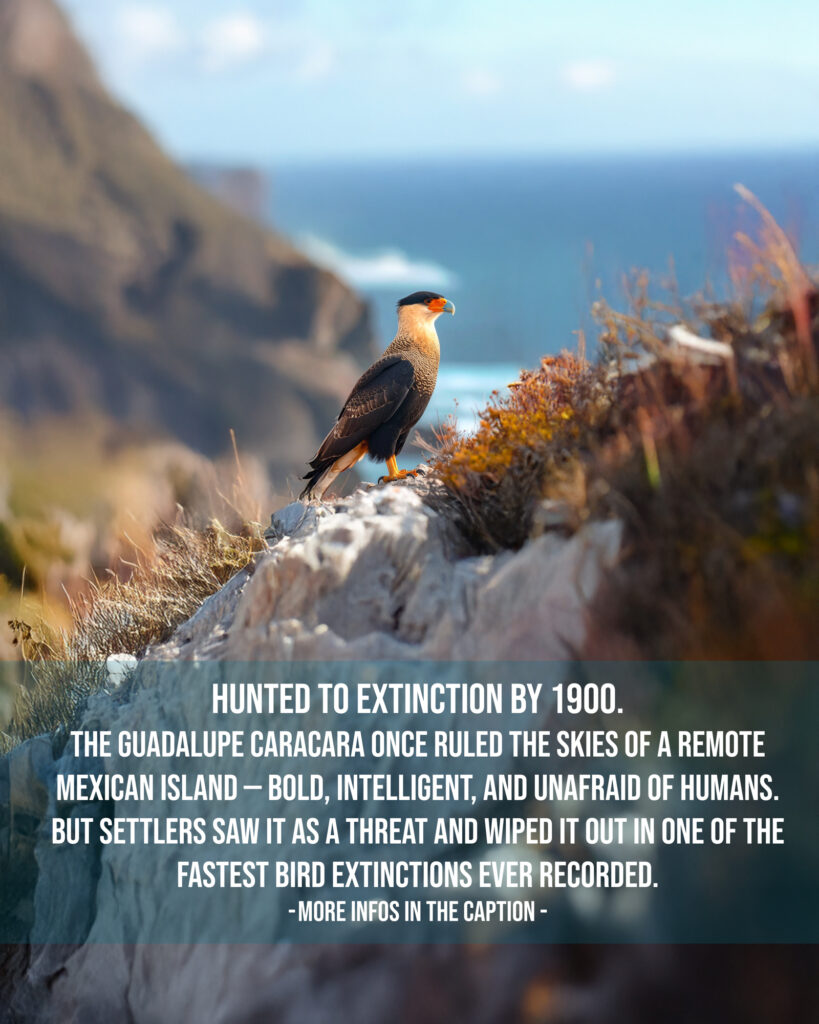
The Guadalupe Caracara lived only on Guadalupe Island, off the coast of Mexico.
Like other caracaras, it was both predator and scavenger. This gave it an important role in processing carrion and moving energy through the island ecosystem.
Its confidence around humans would ultimately make it vulnerable.
Settlers and goat herders regarded the bird as a threat and deliberately killed it through shooting and poisoning. The last secure records date from around 1900, and the species disappeared shortly afterwards.
In the Phoenix AI visualization, the caracara stands above the island landscape with the ocean behind it. Its posture appears confident, almost as though it still belongs there.
That sense of belonging is essential.
Extinction does not only remove an individual species. It removes a participant from an ecosystem and changes the relationships that remain.
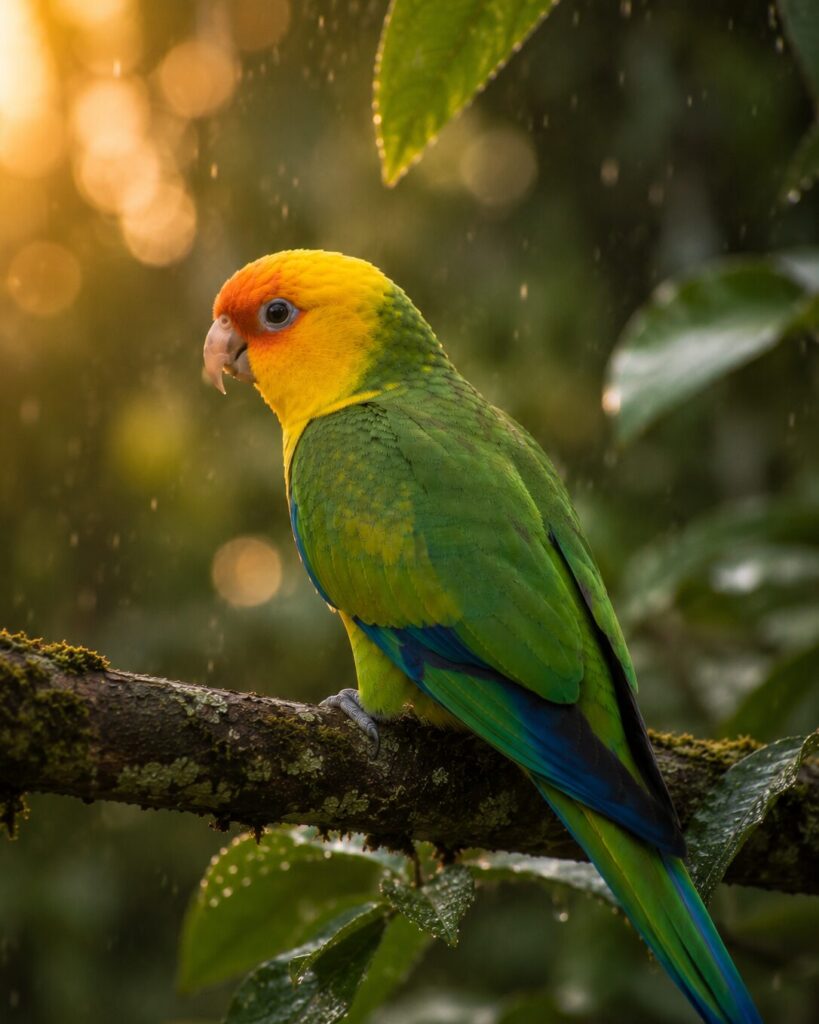
The Carolina Parakeet once brought intense green, yellow and orange into forests across large parts of the eastern and central United States.
Its appearance seems almost tropical, yet it lived much farther north than many people would expect of a parrot.
Human activity was central to its rapid decline. The birds were killed because they fed on crops, captured for trade and affected by extensive changes to their habitat. The last known captive individual, a male called Incas, died at Cincinnati Zoo in 1918. Research into the species indicates that its extinction happened rapidly and was strongly driven by human pressure.
The Phoenix AI portraits imagine the parakeet in warm forest light.
Its colors immediately draw attention, but the most important part of the image is the environment around it. The branch, leaves, moisture and sunlight suggest that this was not merely a beautiful bird. It was part of a living habitat.
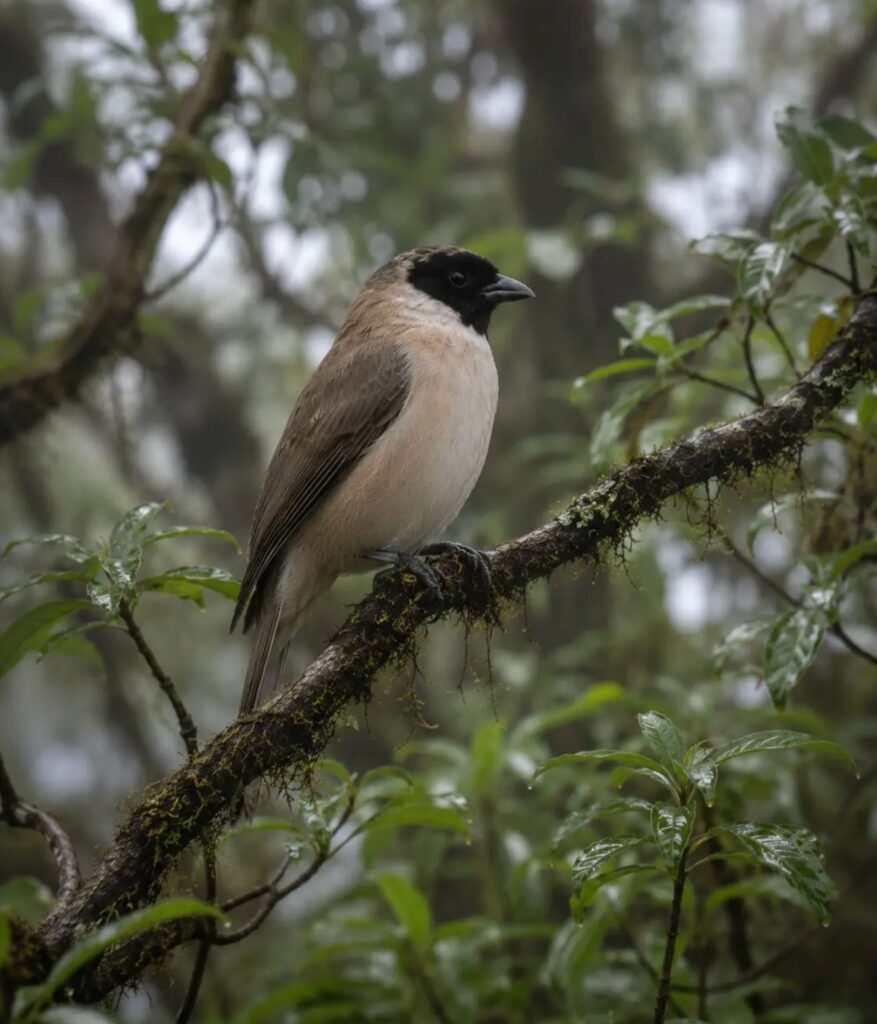
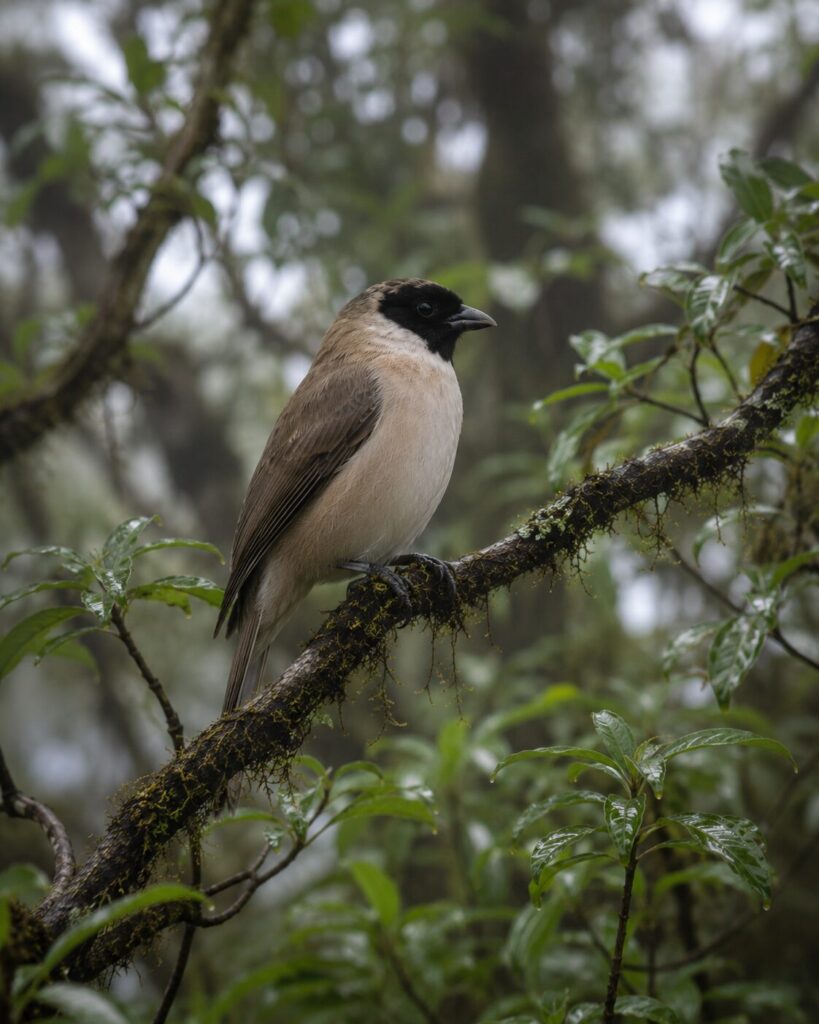
The Poʻouli was discovered on Maui in 1973, making its disappearance particularly difficult to comprehend.
Within only a few decades of its scientific discovery, the small Hawaiian forest bird had become extraordinarily rare. By 2004, only a handful of individuals were believed to remain. A last attempt to establish a conservation breeding program was unsuccessful, and the final confirmed individual died that year.
After extensive reviews, the United States Fish and Wildlife Service formally removed the Poʻouli from the Endangered Species Act because of extinction in 2023.
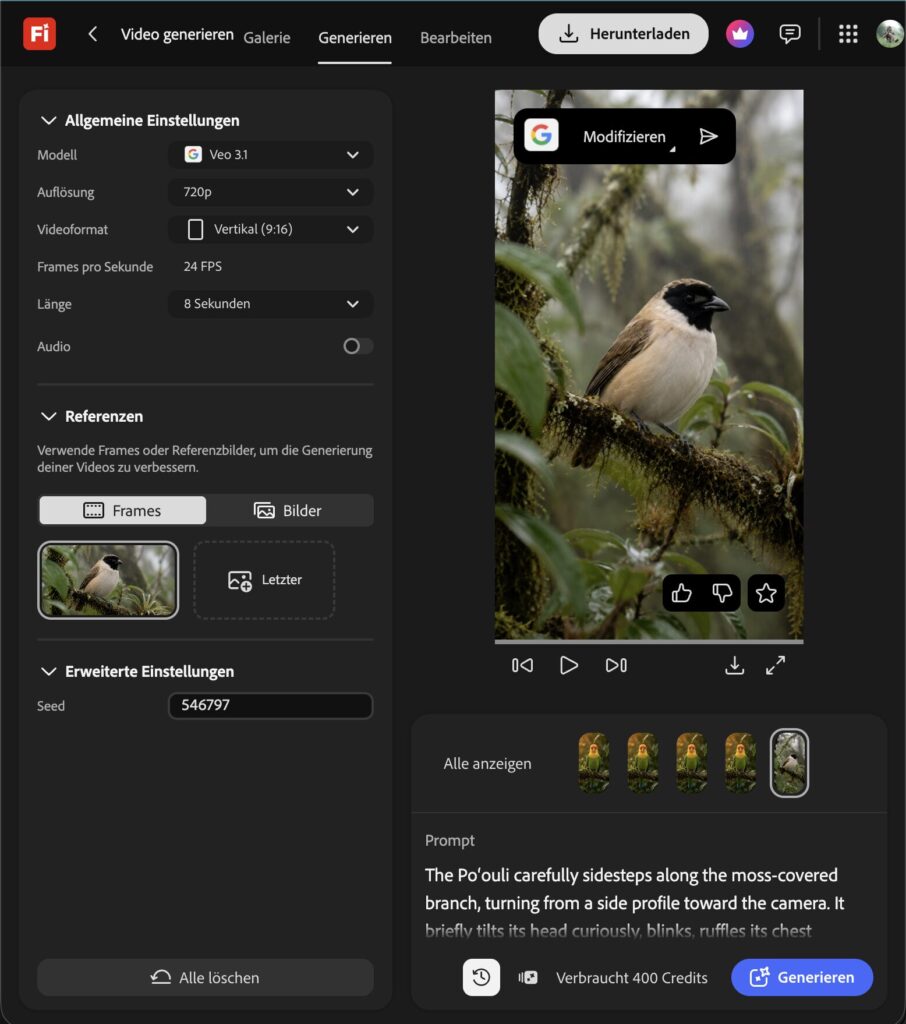
The Phoenix AI images return the bird to a wet, moss-covered Hawaiian forest.
It is a quiet portrait. The Poʻouli does not appear dramatic or powerful. It simply sits on a branch, occupying the small place in the world that once belonged to it.
That may be precisely why the image matters.
Not every extinction involves a famous predator or an animal recognized around the world. Some species disappear almost unnoticed, taking with them evolutionary histories found nowhere else.
The realism of generative imagery creates both opportunity and responsibility.
A convincing image can help people form an emotional connection with an animal they have never seen. It can make extinction feel less abstract and turn a scientific name into an individual presence.
At the same time, every Phoenix AI image must be clearly identified as AI-generated. The project should not blur the boundary between documentation and visualization.
These works are interpretations based on research. They cannot replace museum specimens, scientific illustrations, historical records or genuine wildlife photography.
Their purpose is different.
They create a space between knowledge and imagination, allowing us to consider what an encounter with a lost species might have felt like.